The Forgotten Islands
What is the first thing that comes to mind when you hear the word “island”? Tourism, perhaps?
This is not a story about tourism.
In Somalia’s Lower Juba region, there are around nine islands surrounded by pristine waters and beautiful white-sand beaches. The islands are home to communities who have lived there for generations, blessed with lands of striking natural beauty. Yet behind that beauty lies a stark paradox: the people who call these islands home lack many of the basic necessities of life, including clean water, sanitation, education, and healthcare.
For many residents, access to clean water remains a daily struggle. Families rely on water collected and stored during the rainy season, but these supplies often run dry during the long dry periods. Contaminated water also contributes to waterborne diseases, while the limited availability of healthcare makes even common illnesses difficult to treat.
Healthcare is particularly challenging for women and children. The few medical facilities on the islands are unable to meet the needs of the communities they serve. When a woman goes into labor and requires urgent medical attention, she may have to travel by boat for up to four hours to reach the nearest health facility in Kismayo. In an emergency, such a journey can mean the difference between life and death for both mother and child.
This is not a hypothetical scenario. It is a reality that island communities face repeatedly.
Education is another struggle. Small classrooms serve children who often sit on bare floors because there are not enough desks or other basic school supplies. For children growing up in these isolated communities, attending school itself can be a challenge, and the lack of basic resources adds another barrier to their education.
The islands are also difficult to reach. Residents depend largely on small boats that can be vulnerable to strong winds and rough seas. The difficult journey, combined with limited transport options, has left these communities largely disconnected from the rest of Somalia.
From a distance, the islands appear idyllic—white beaches, turquoise waters and lush vegetation. But beyond the postcard-like scenery are communities living with isolation, limited services and daily uncertainty.
These are the forgotten islands.
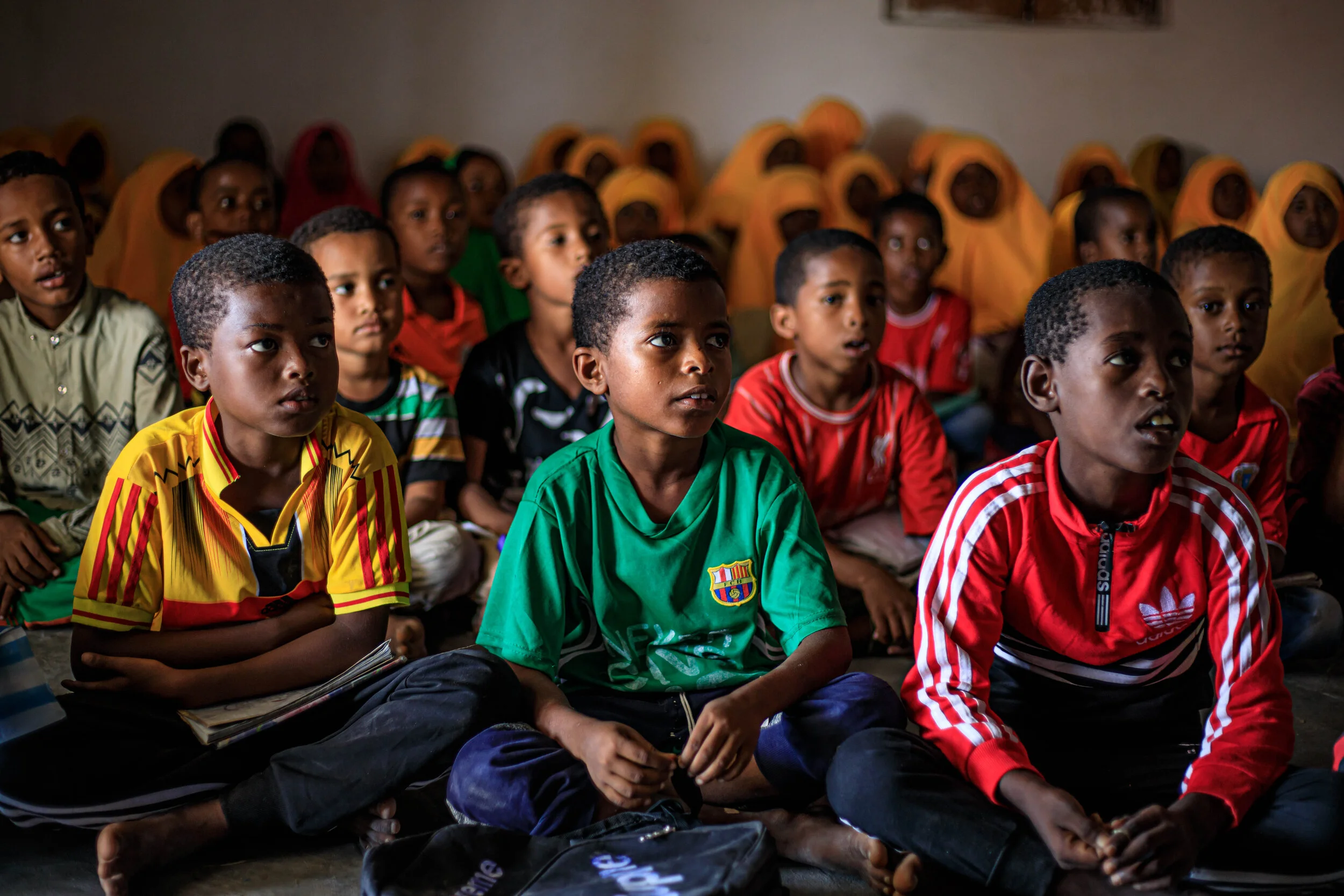
Pupils sit on the floor as they listen to their teacher at a makeshift school in Mudawa Island.
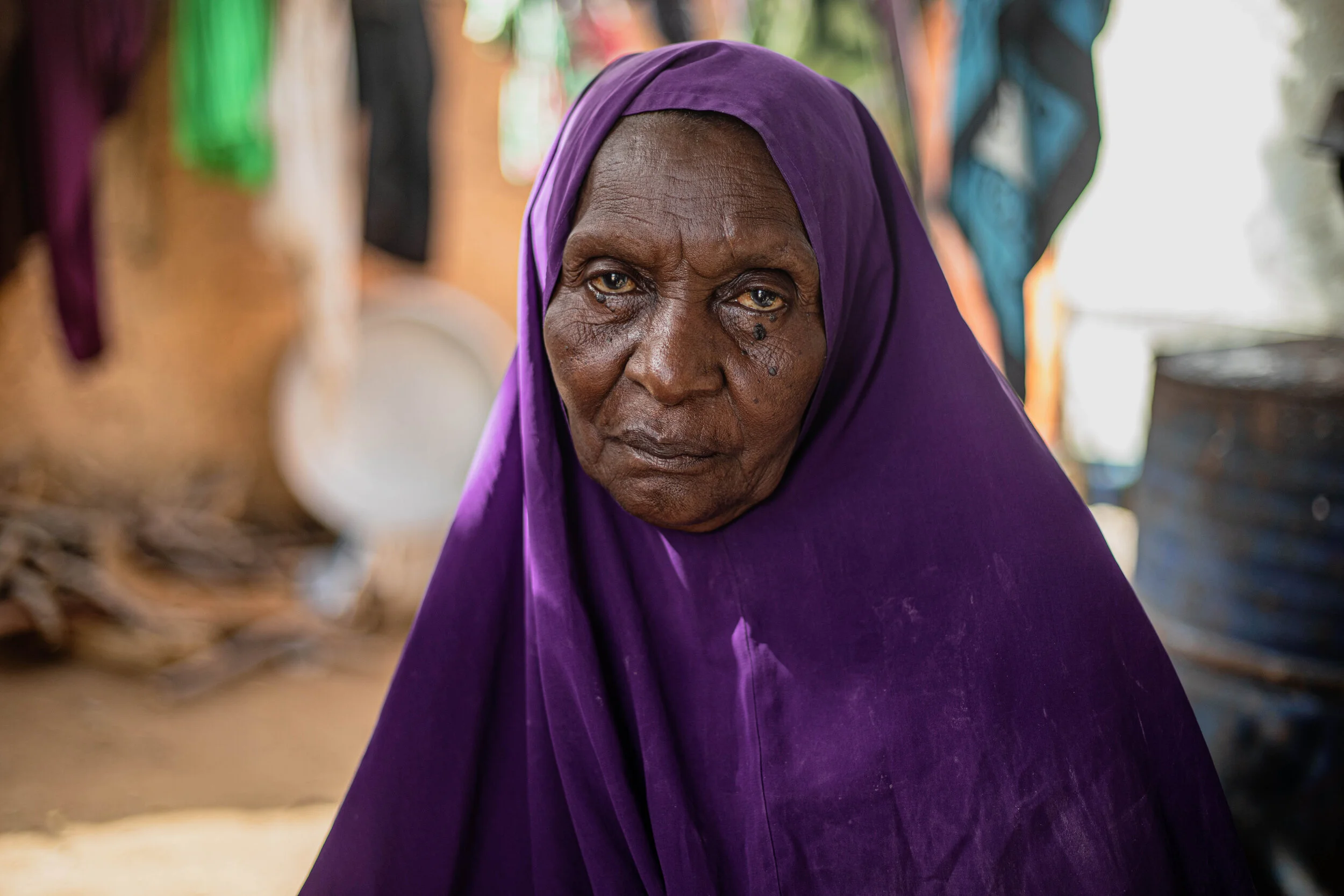
"I am the only midwife on this island, Jawaay, Somalia, and I have been serving my community voluntarily for more than 20 years. I will never leave this island because of the love I have for it, and because of the love, respect, and gratitude that my fellow islanders have shown me.” — Khadijo, 75
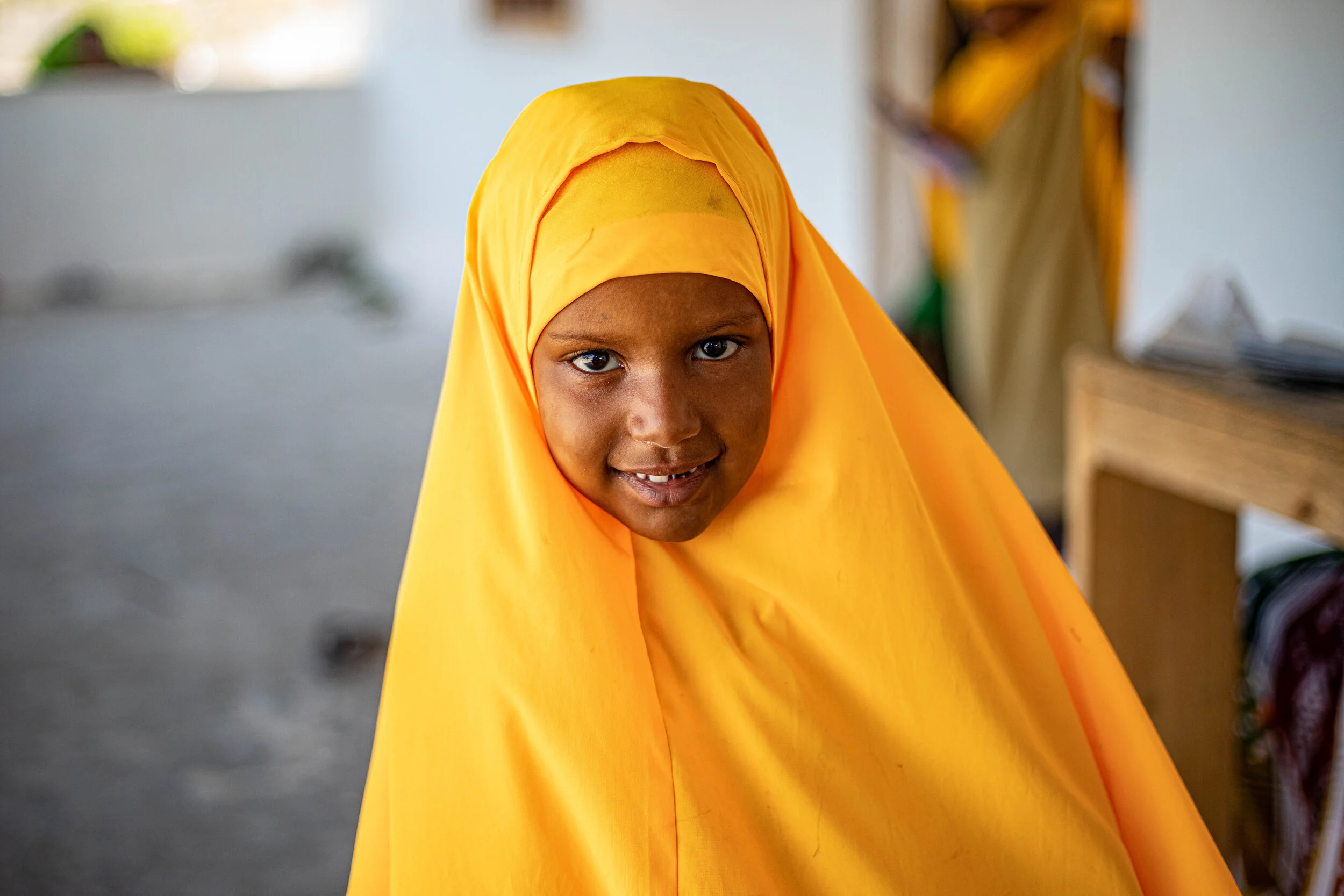
Samiya 7, a student at a school in Mudawa Island flashes a bright Smile in to the camera.
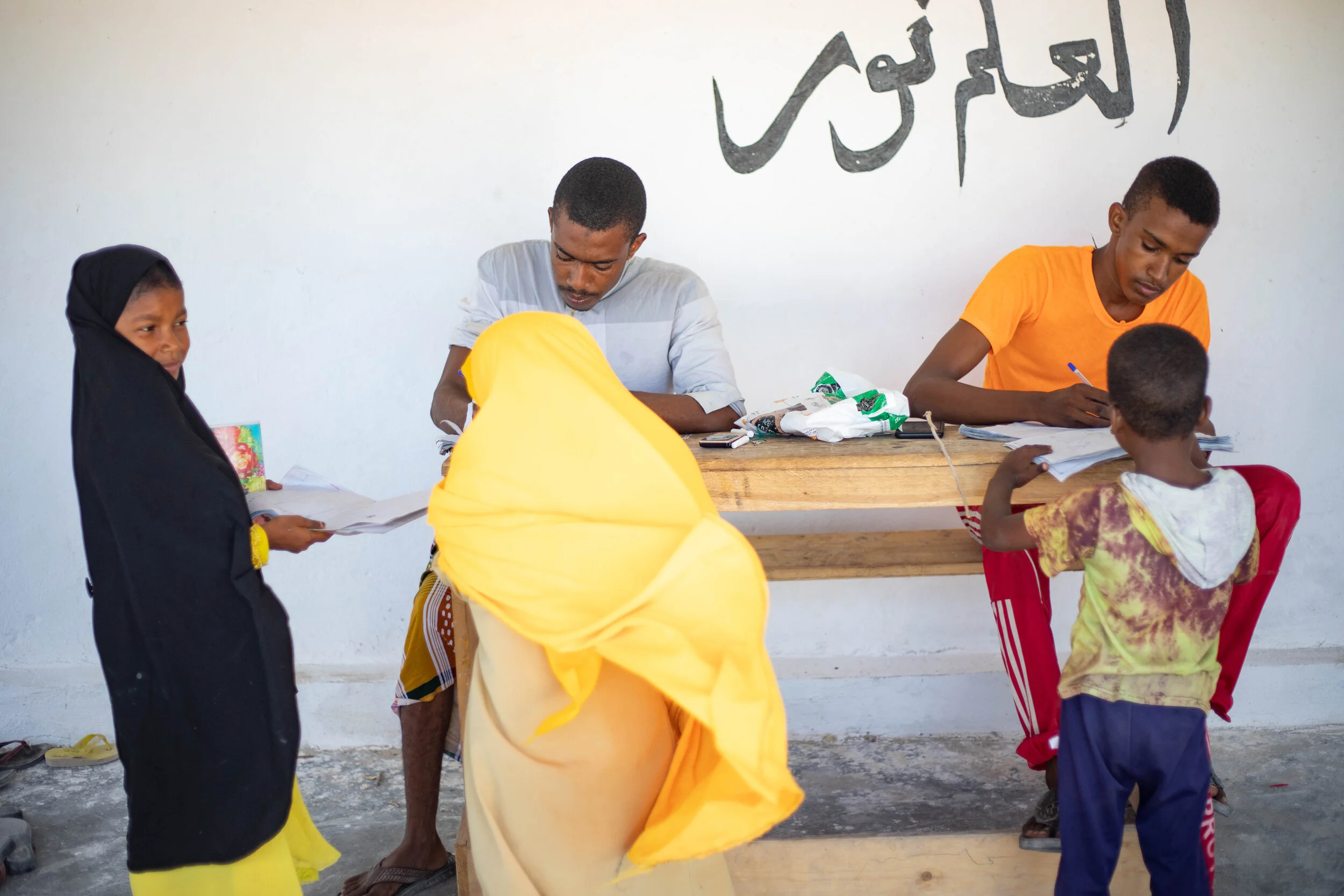
Teachers check students assignments in Mudawa Island School. This school is the only one on the island. There is an Arabic phrase written on the wall behind them which reads “Knowledge is light”.
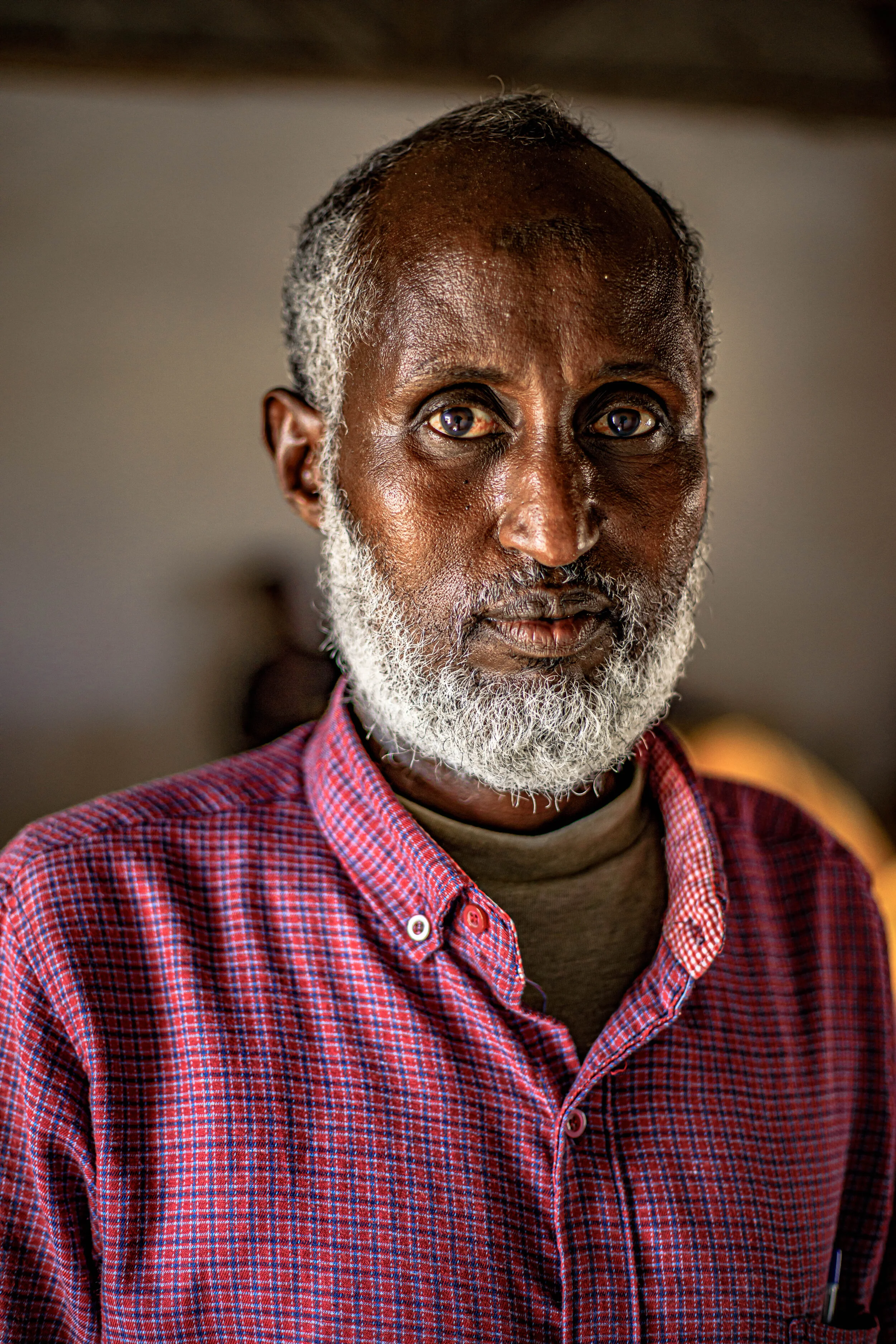
Nageydi Abdi Shil, 54. Teacher. "I have been here for so long and this the only time where the kids in the island can go to school, unfortunately, the facilities are not enough but it’s good progress nonetheless."
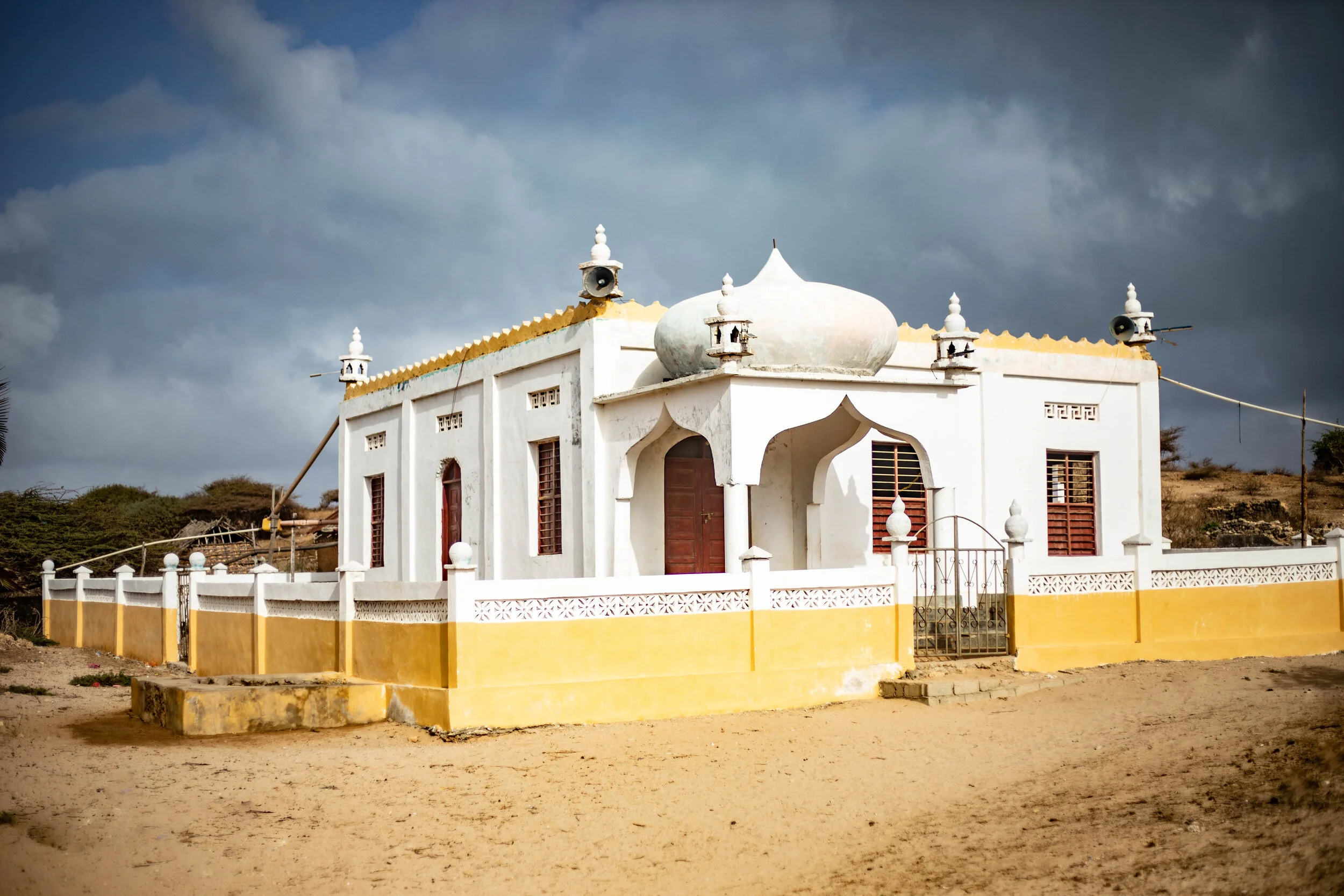
Mosque at Chovaye Island
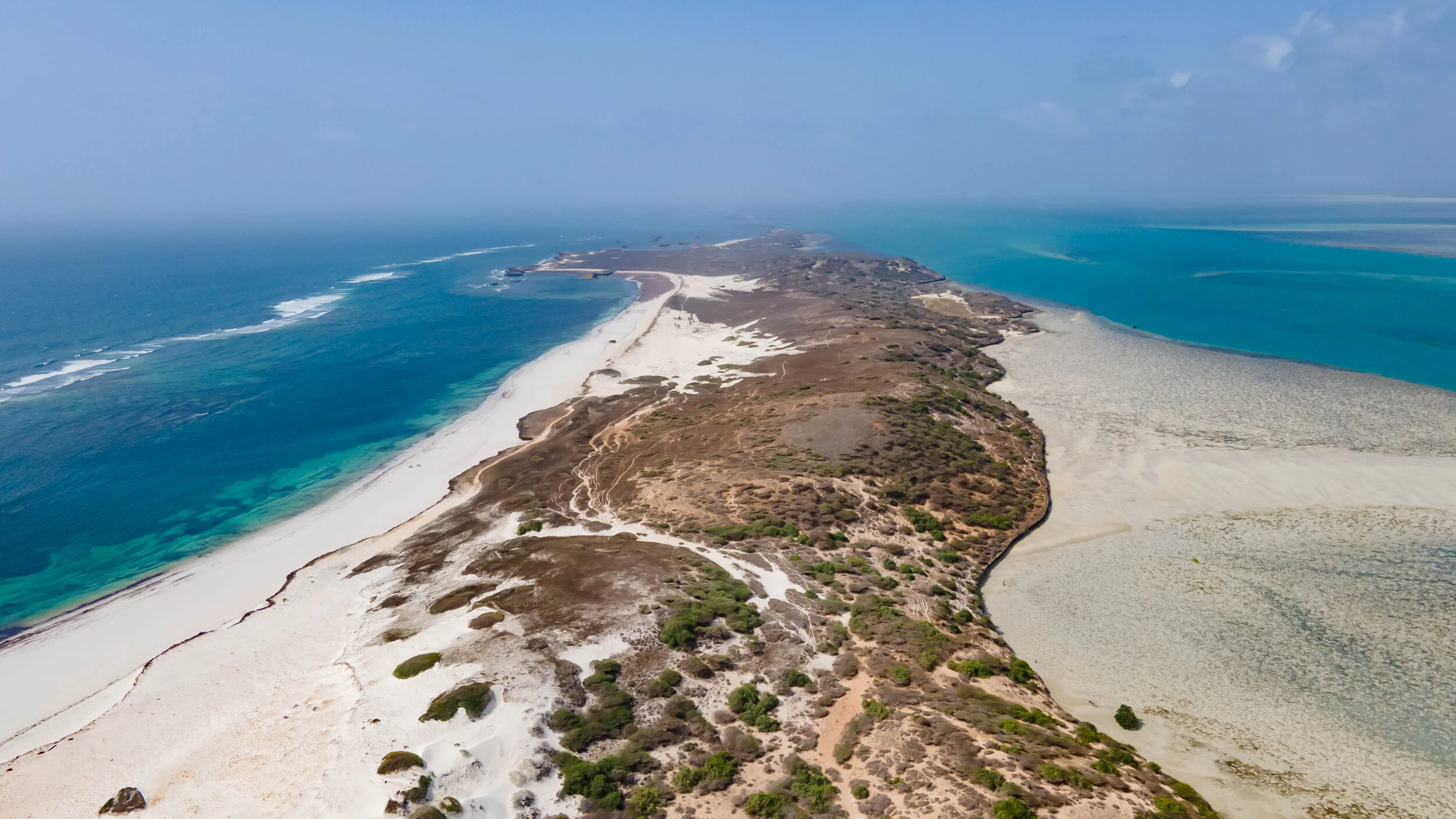
Aerial view of a sandy peninsula with patches of vegetation, surrounded by turquoise ocean water and white beaches.
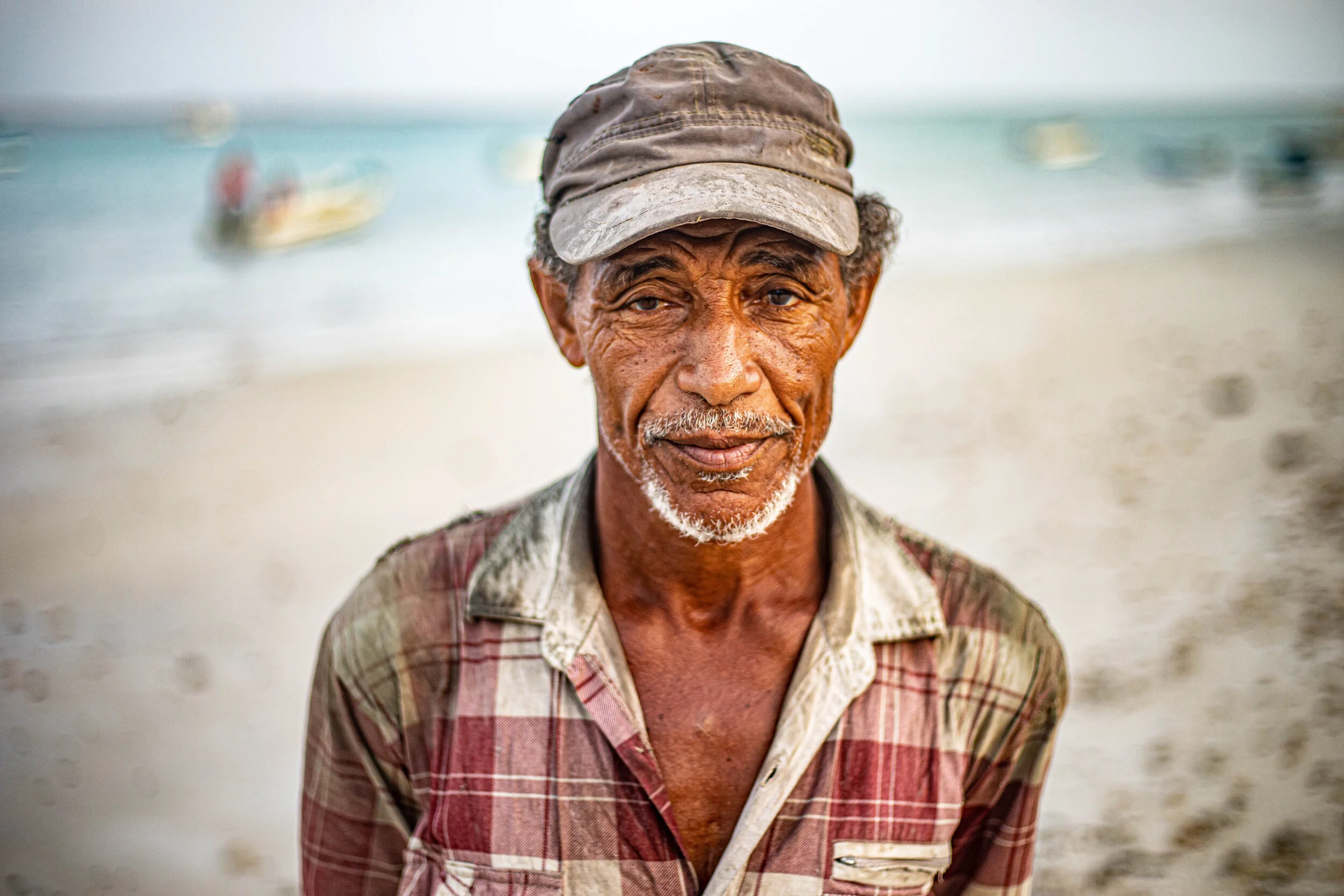
An elderly man with a white beard and mustache wearing a worn brown cap.
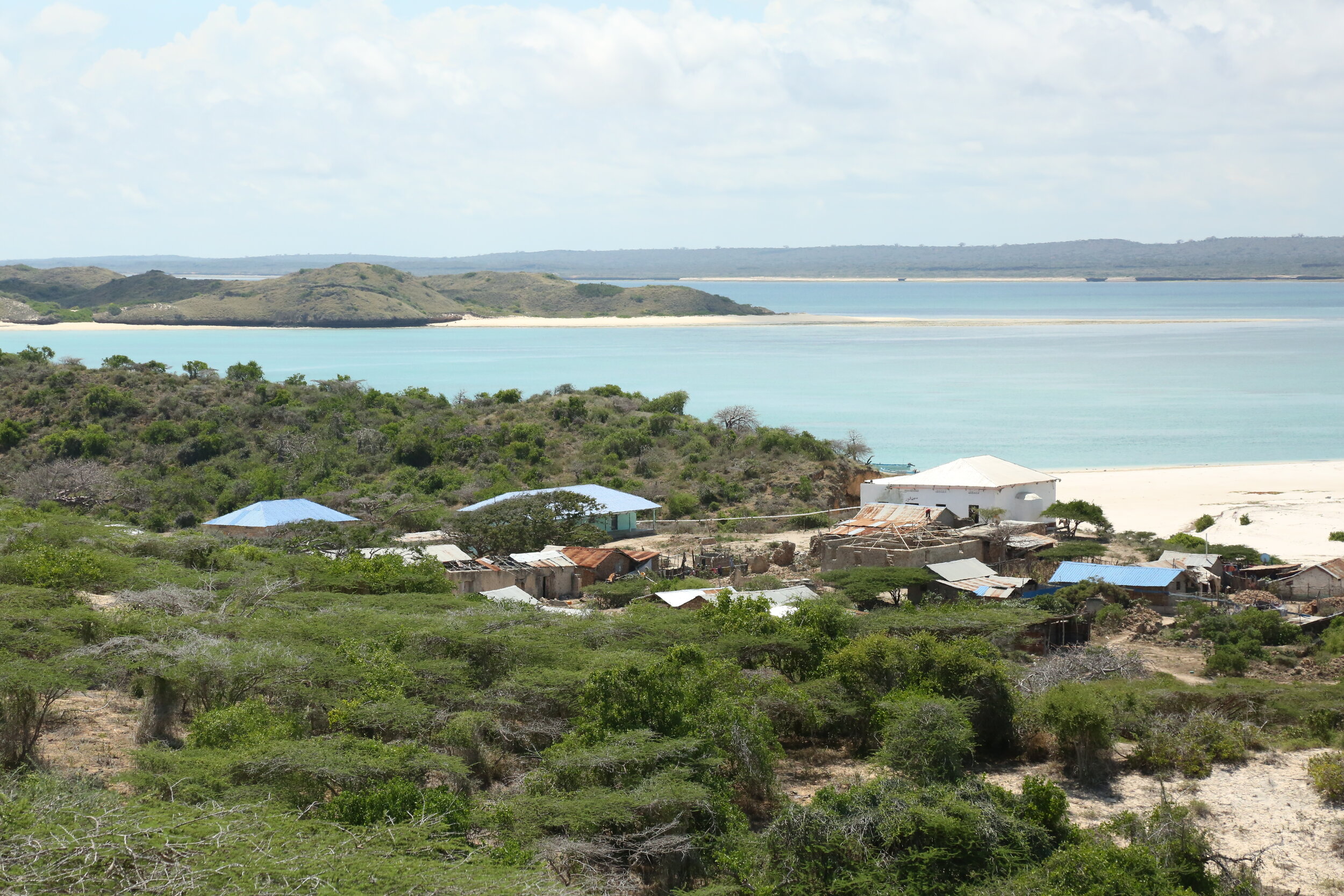
Koyama, Island, Somalia
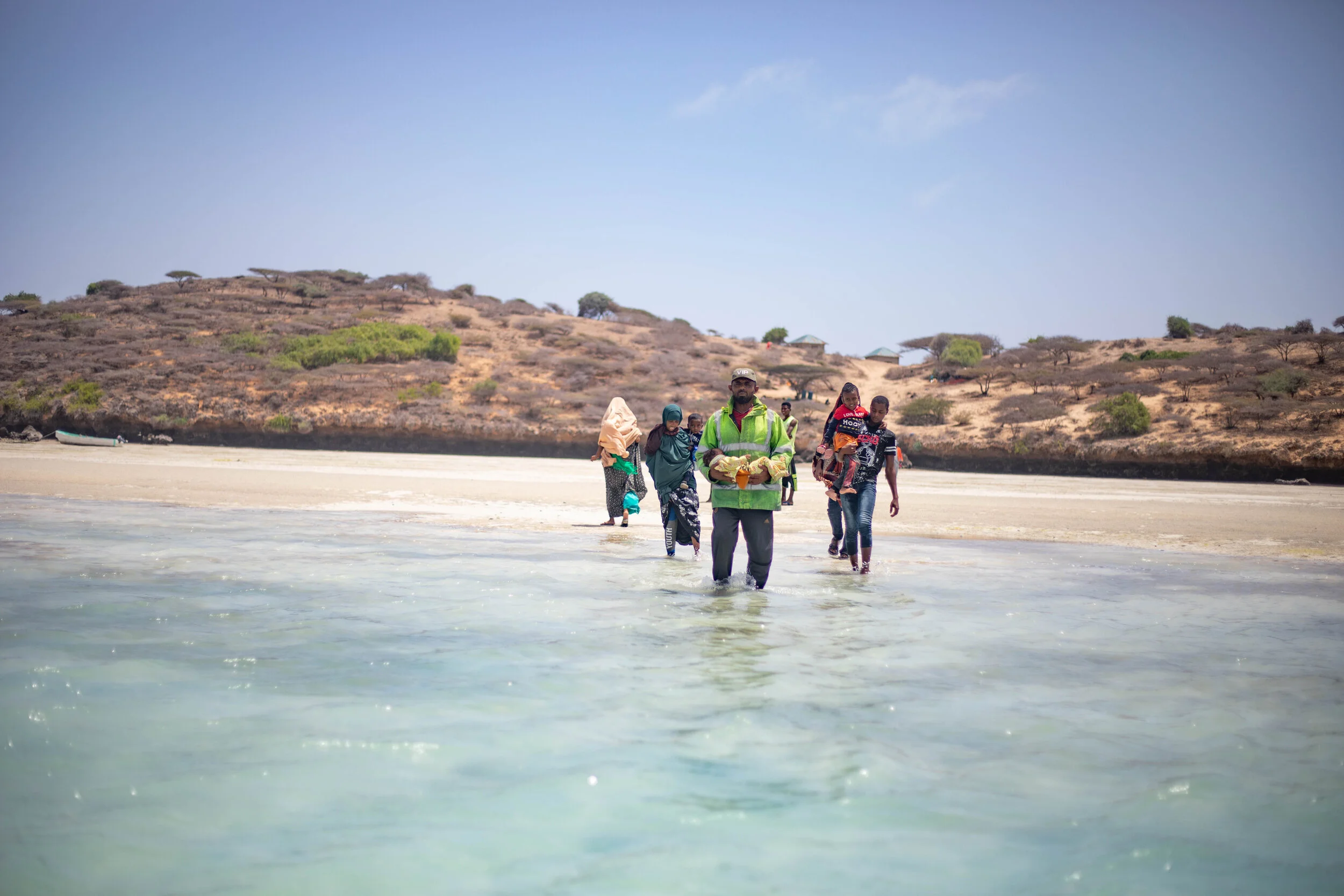
A man helps a woman carry her child on to the boat as she travels to Kismayo for medical reasons.
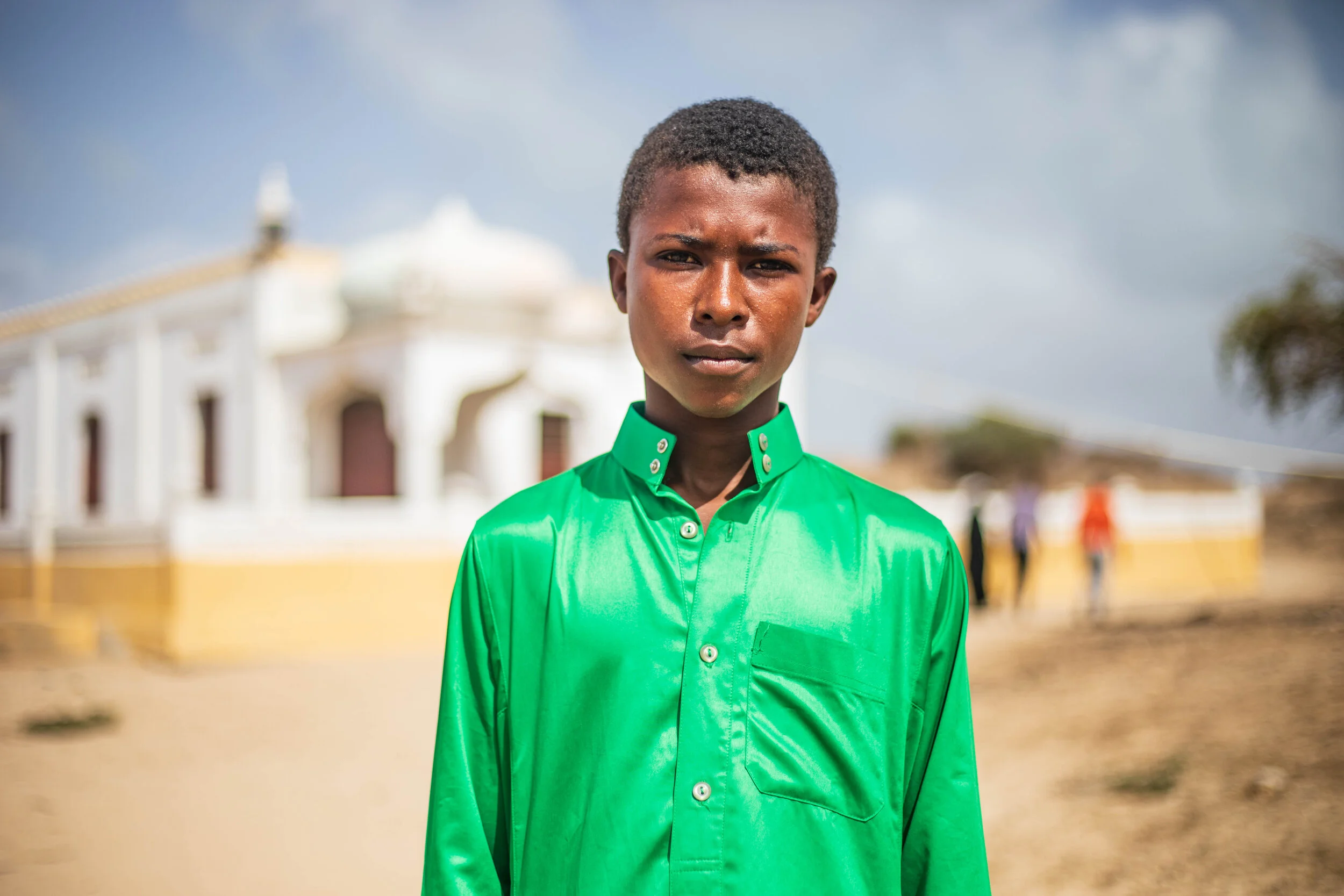
A young man with short, curly black hair and dark skin wearing a shiny green shirt standing outdoors on a sunny day.
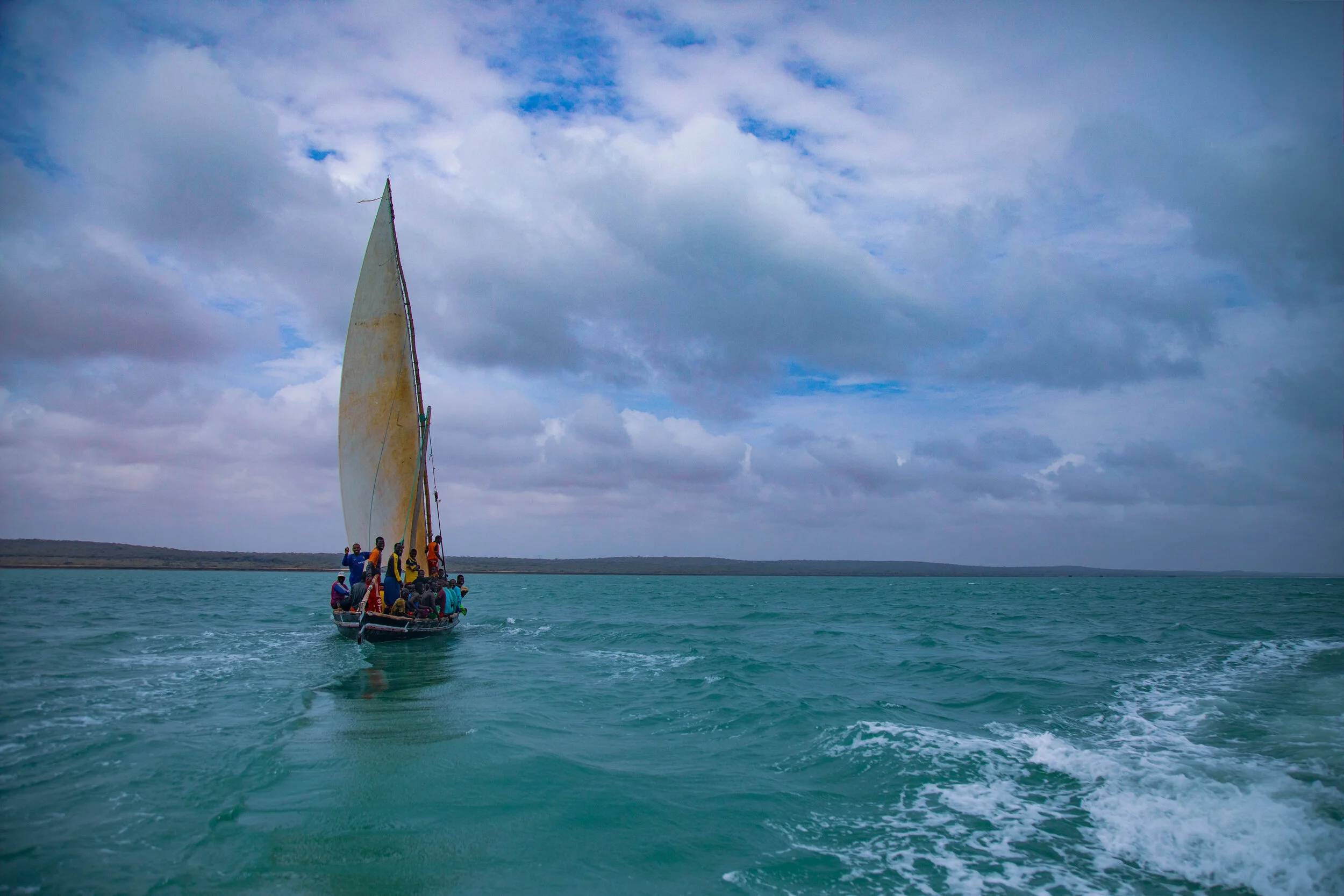
Fishers chasing fish
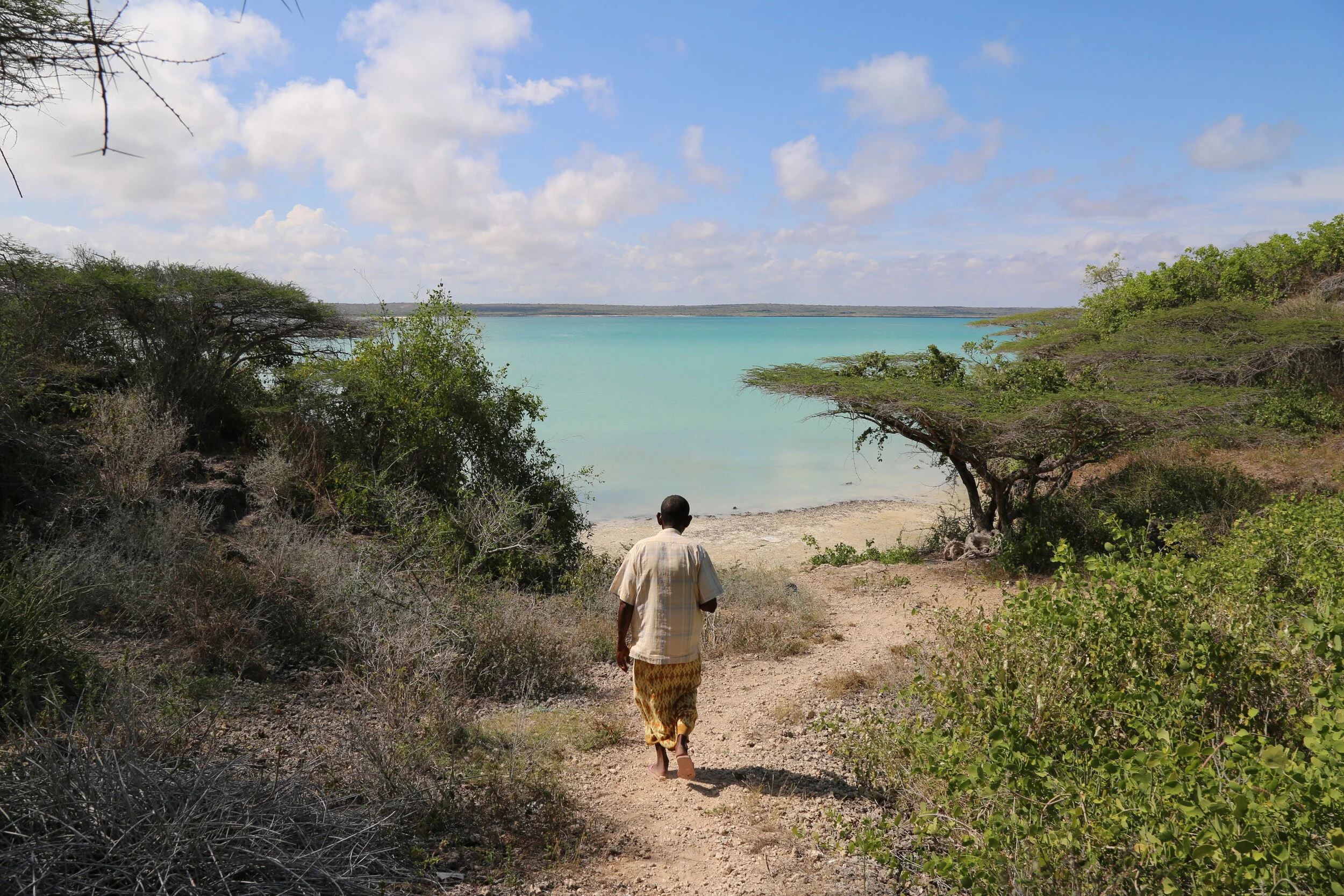
A local guide walks along a dirt path on Koyama Island in Somalia’s Lower Juba region, towards turquoise waters.
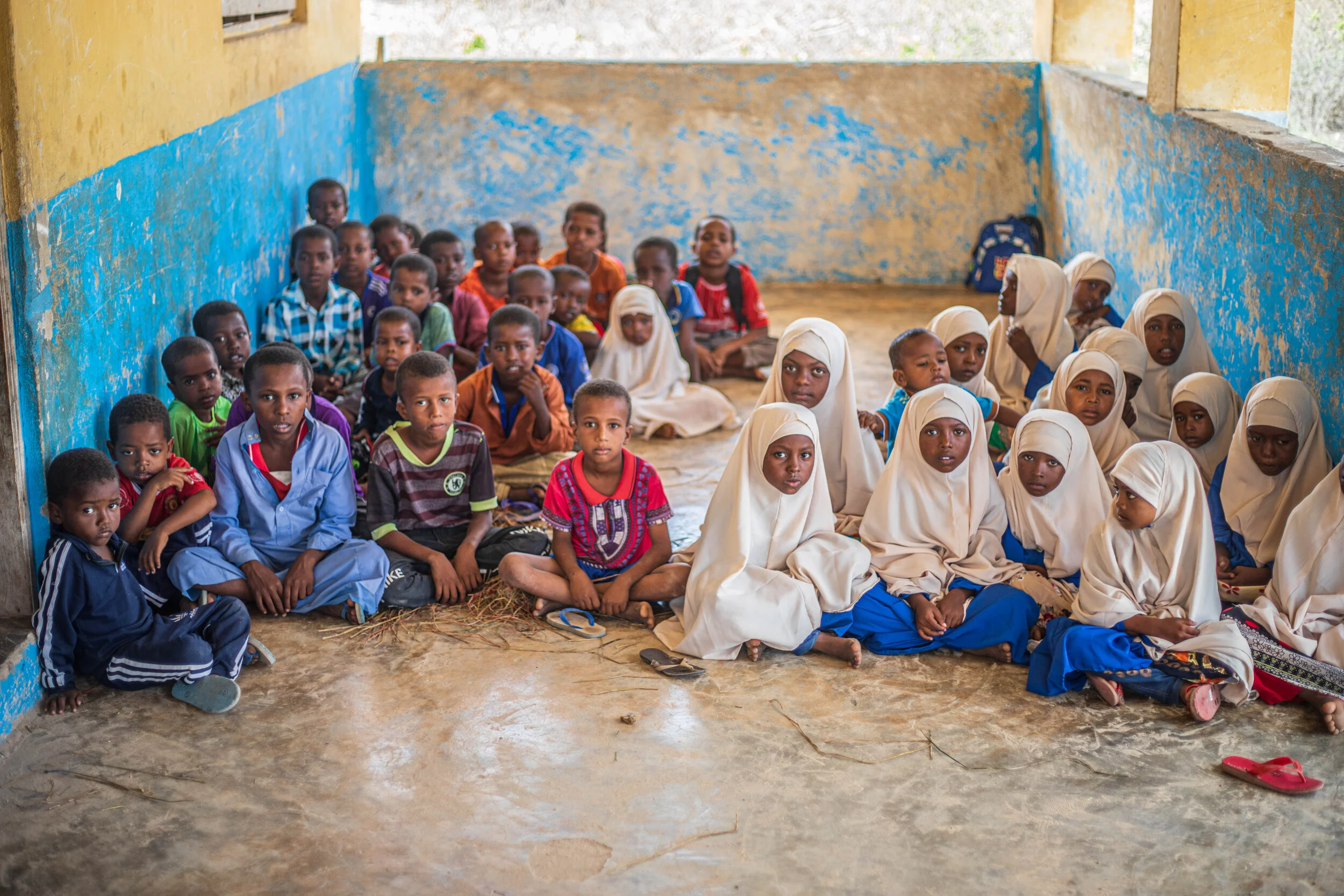
Students sit on the floor of a school in Koyama Island, Somalia, without desks or mats. Living on the isolated island, the children lack access to basic educational necessities, including desks and other essential school supplies.
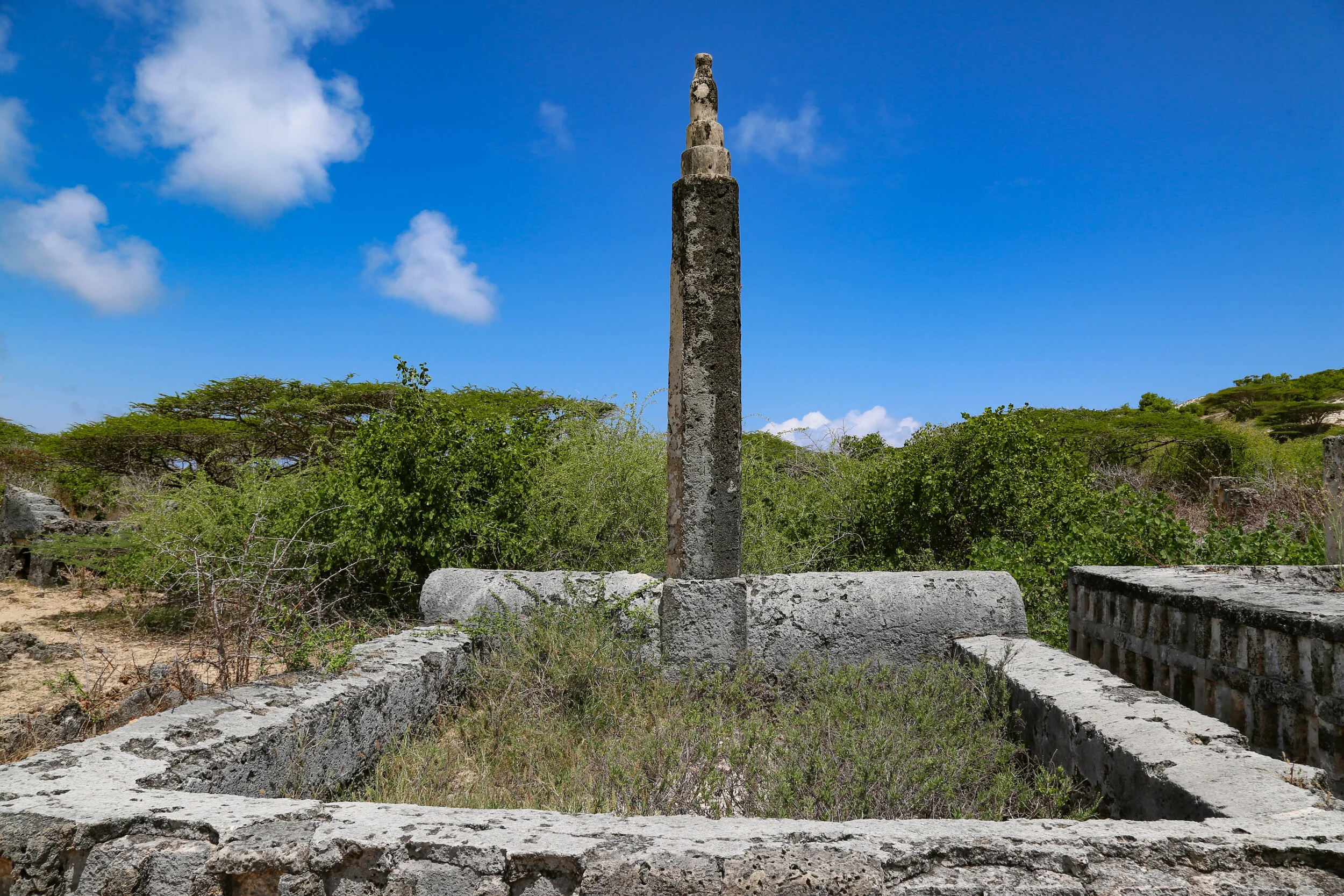
Pillar tomb in Koyama Island, Somalia
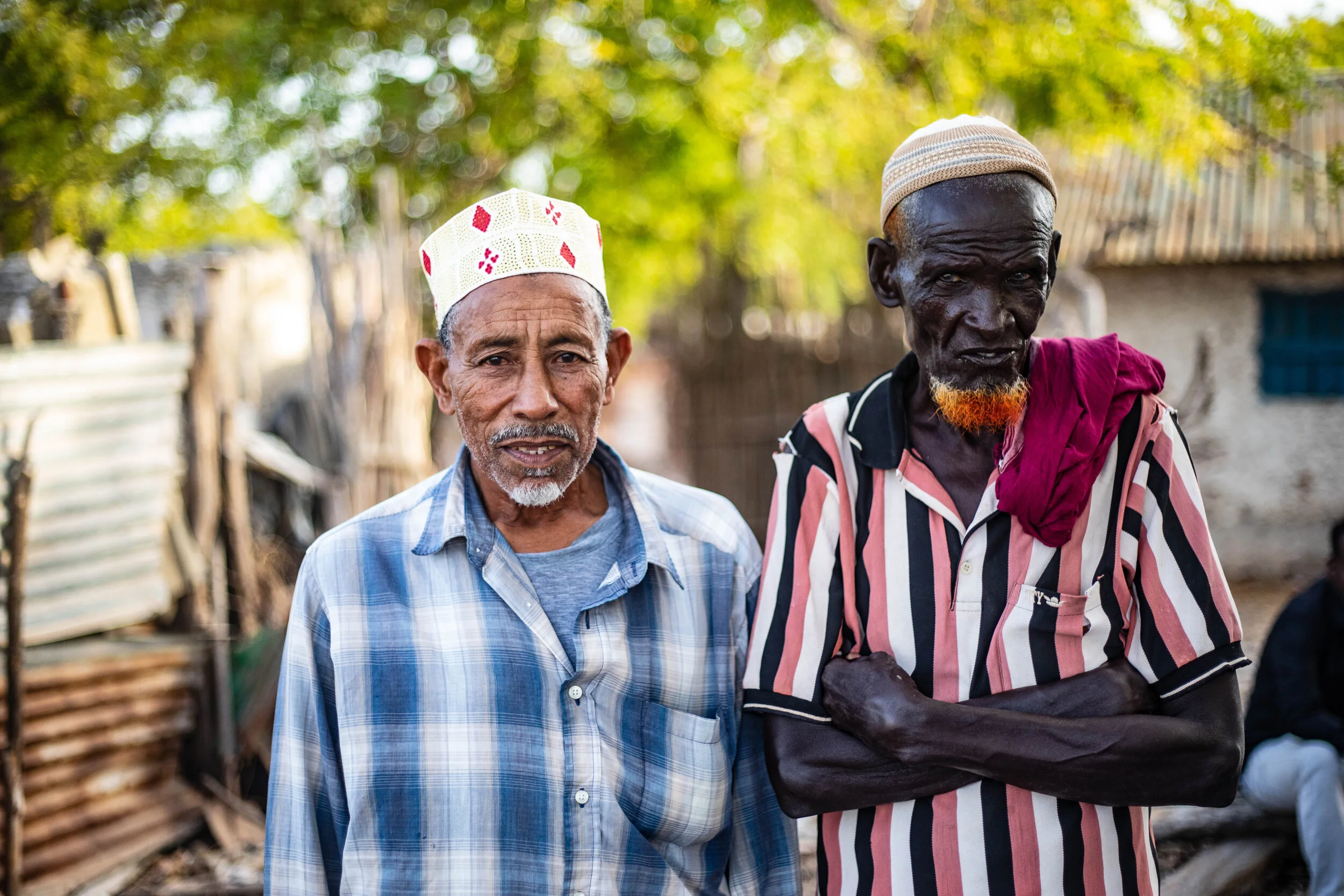
Mohamed Omar, 64, (left) and Kassim Mursal, 70, (right), childhood friends who have lived in Kuday, Somalia, for decades. The two men have maintained a close friendship since childhood.
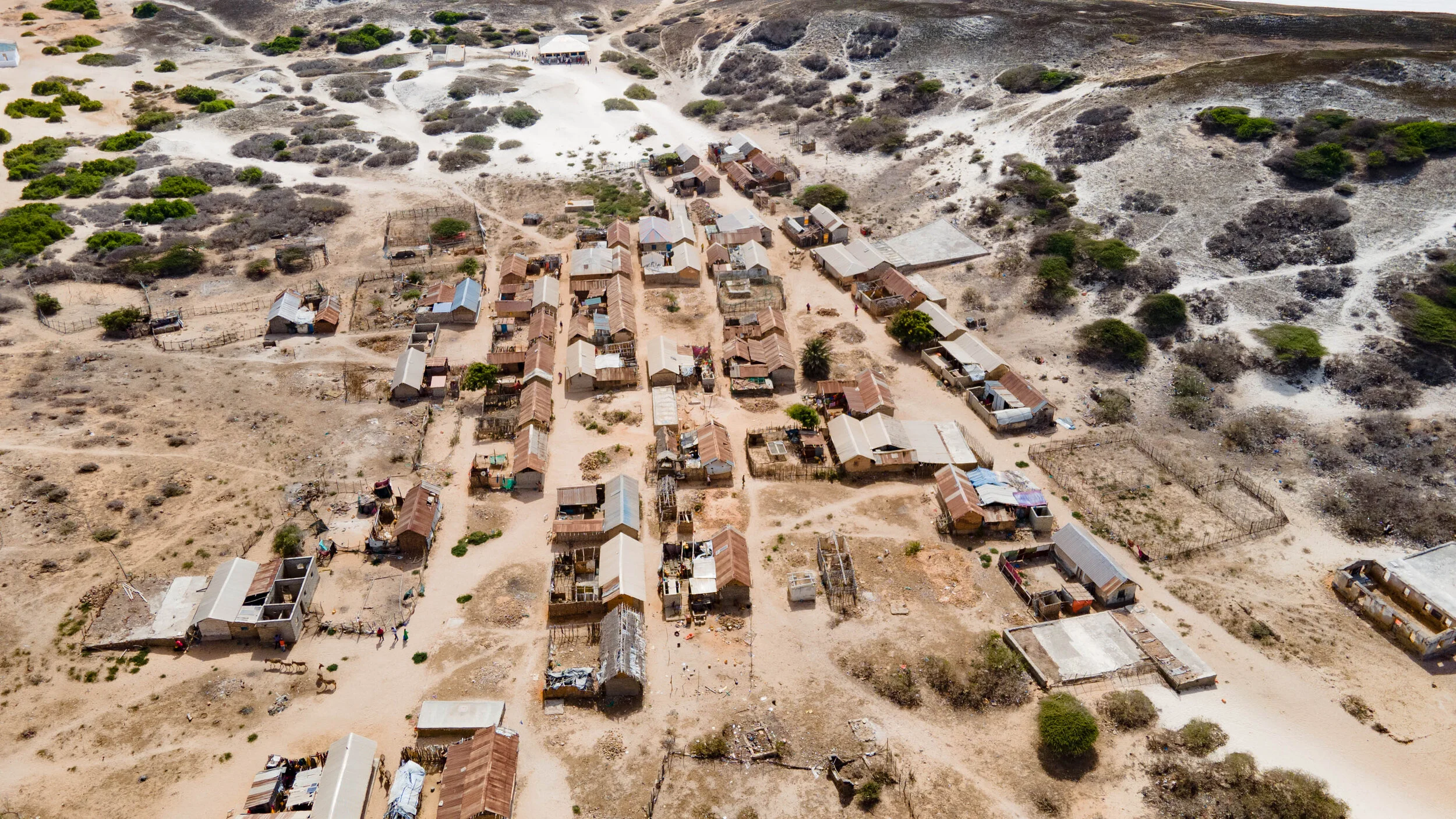
An Aerial view of Chavaye Island
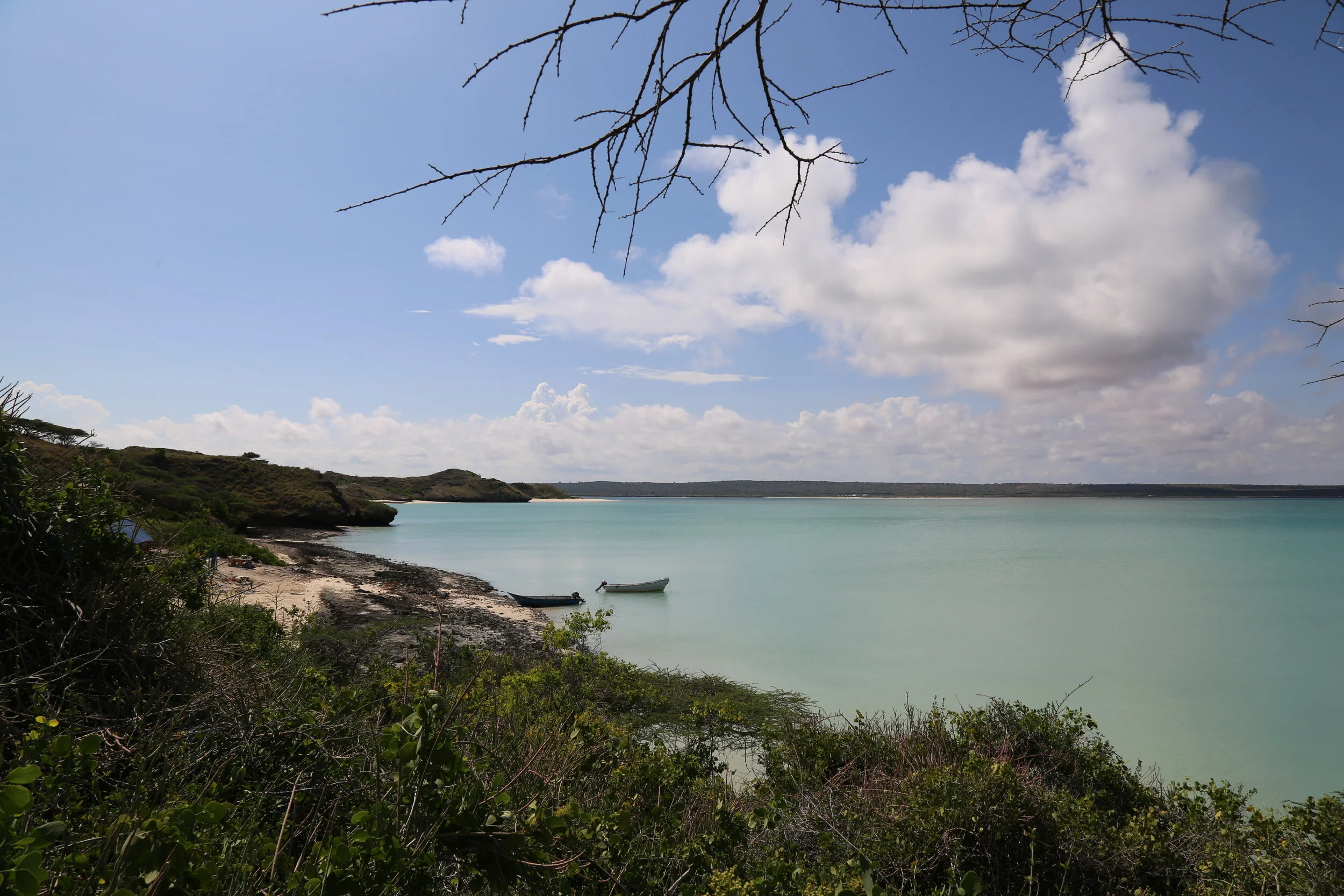
Koyama.
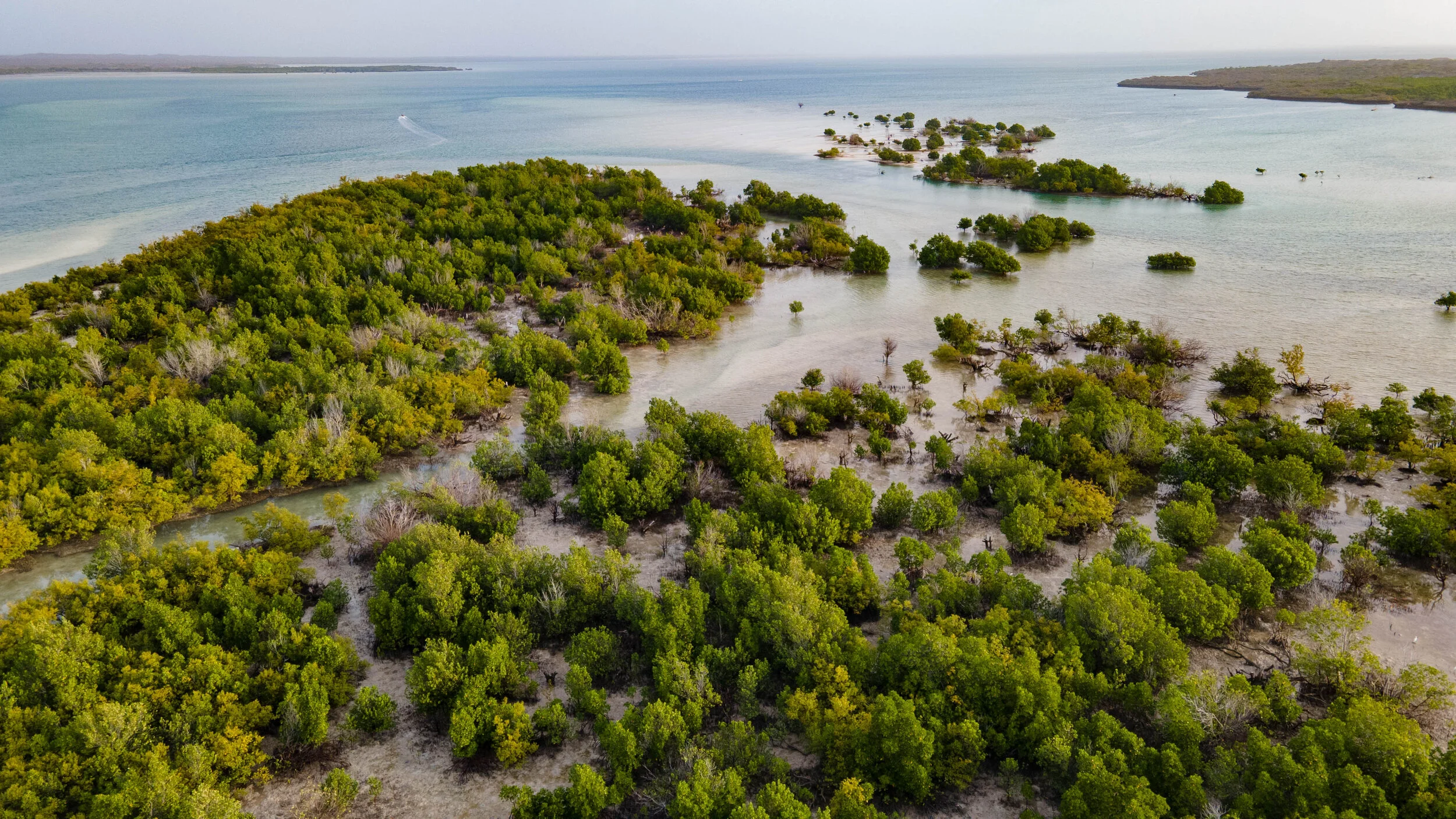
Aerial view of Chula Island, Jubaland, Somalia.
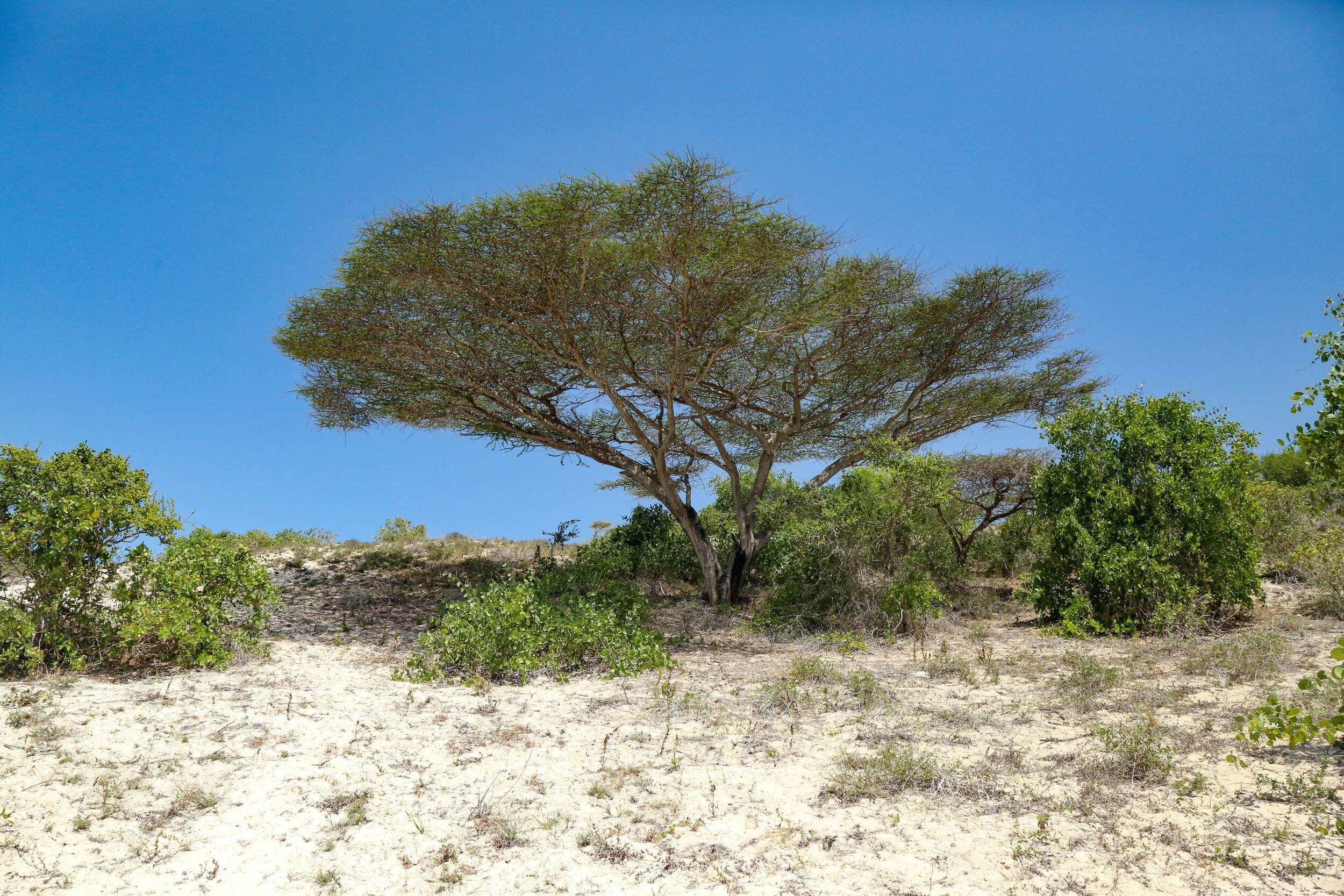
A single tree with green leaves and a wide canopy stands in a dry, sandy landscape under a clear blue sky.
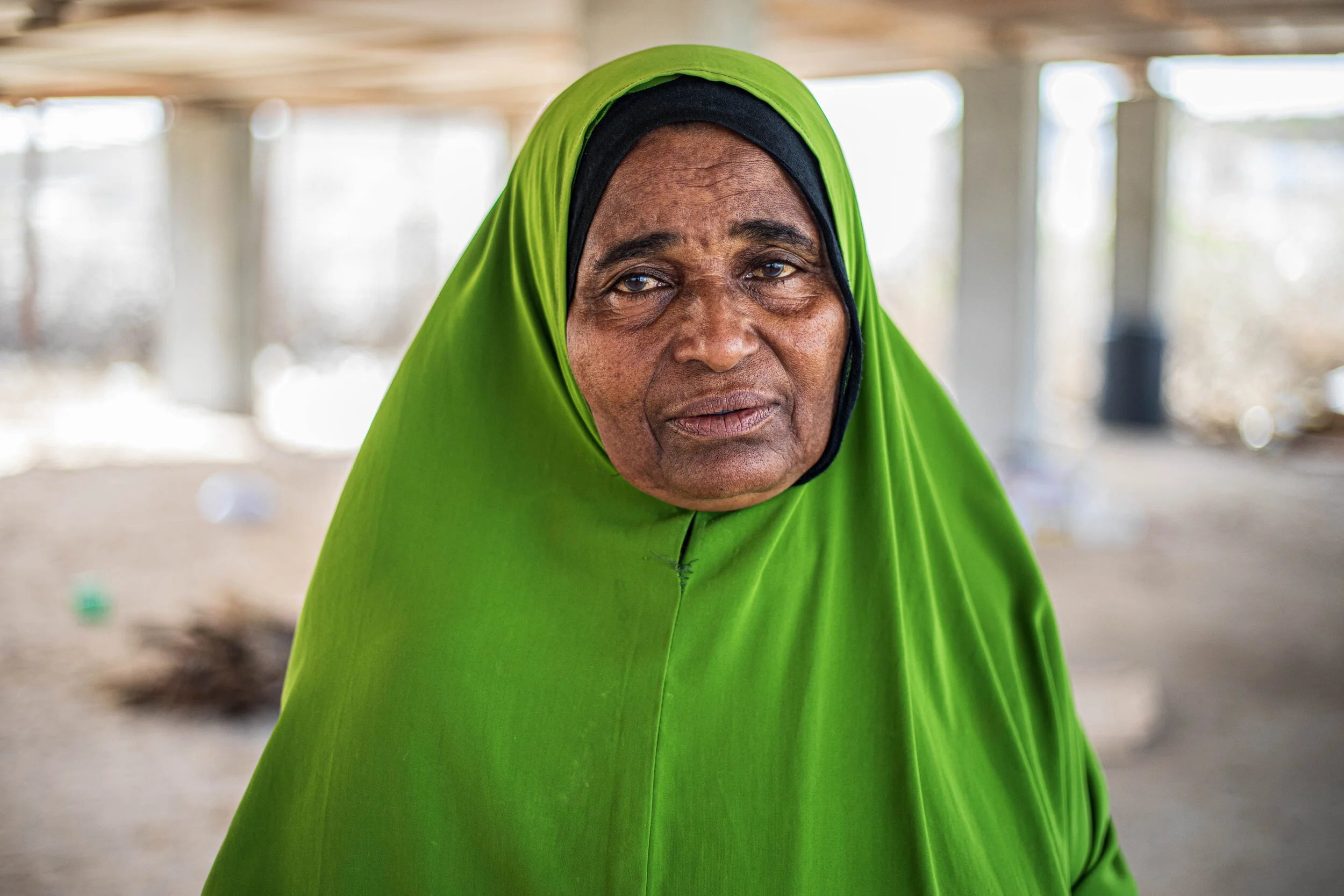
Close-up of an elderly woman wearing a bright green headscarf in Chovaye Island, Lower Juba region Somalia
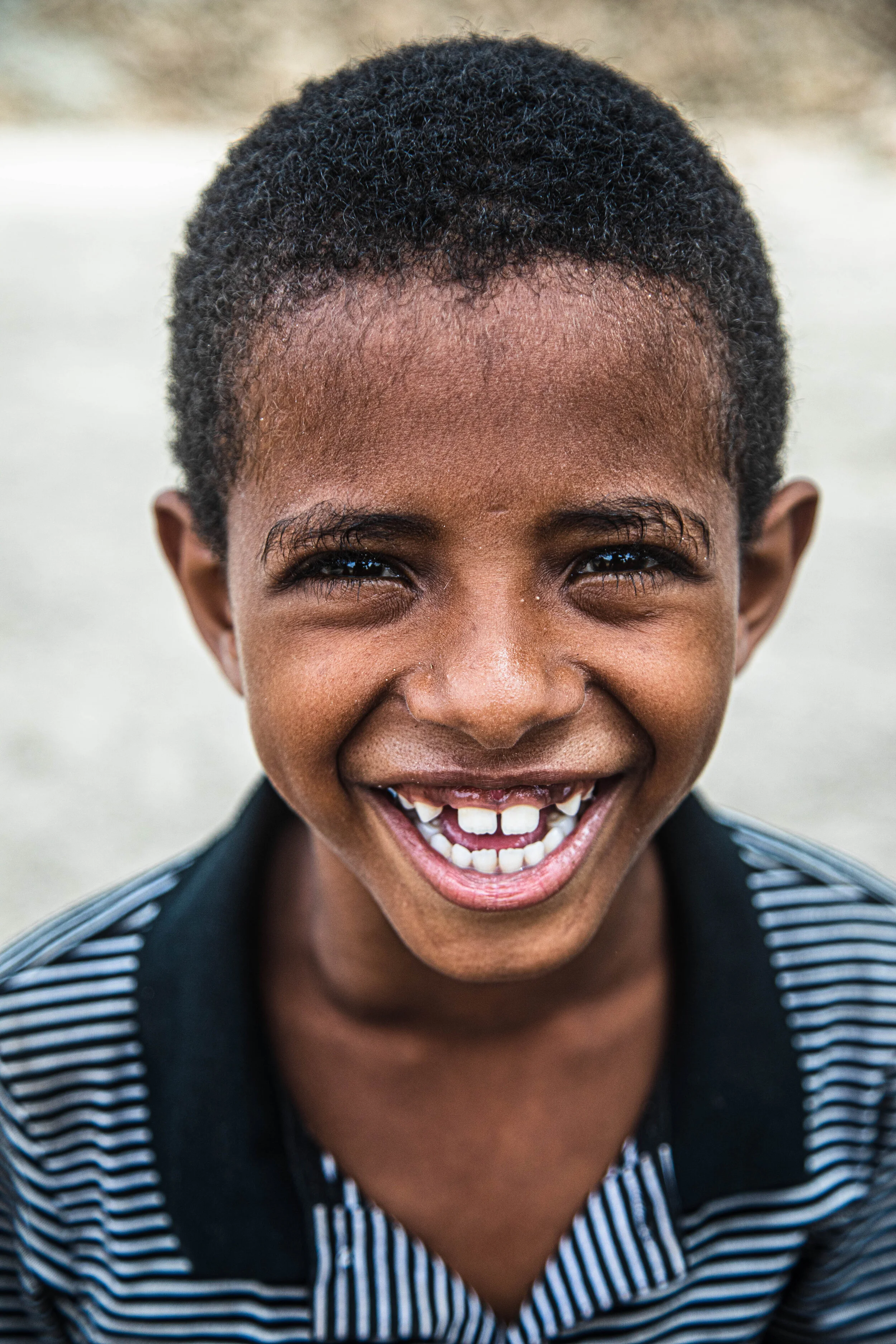
Close-up of a smiling young boy.
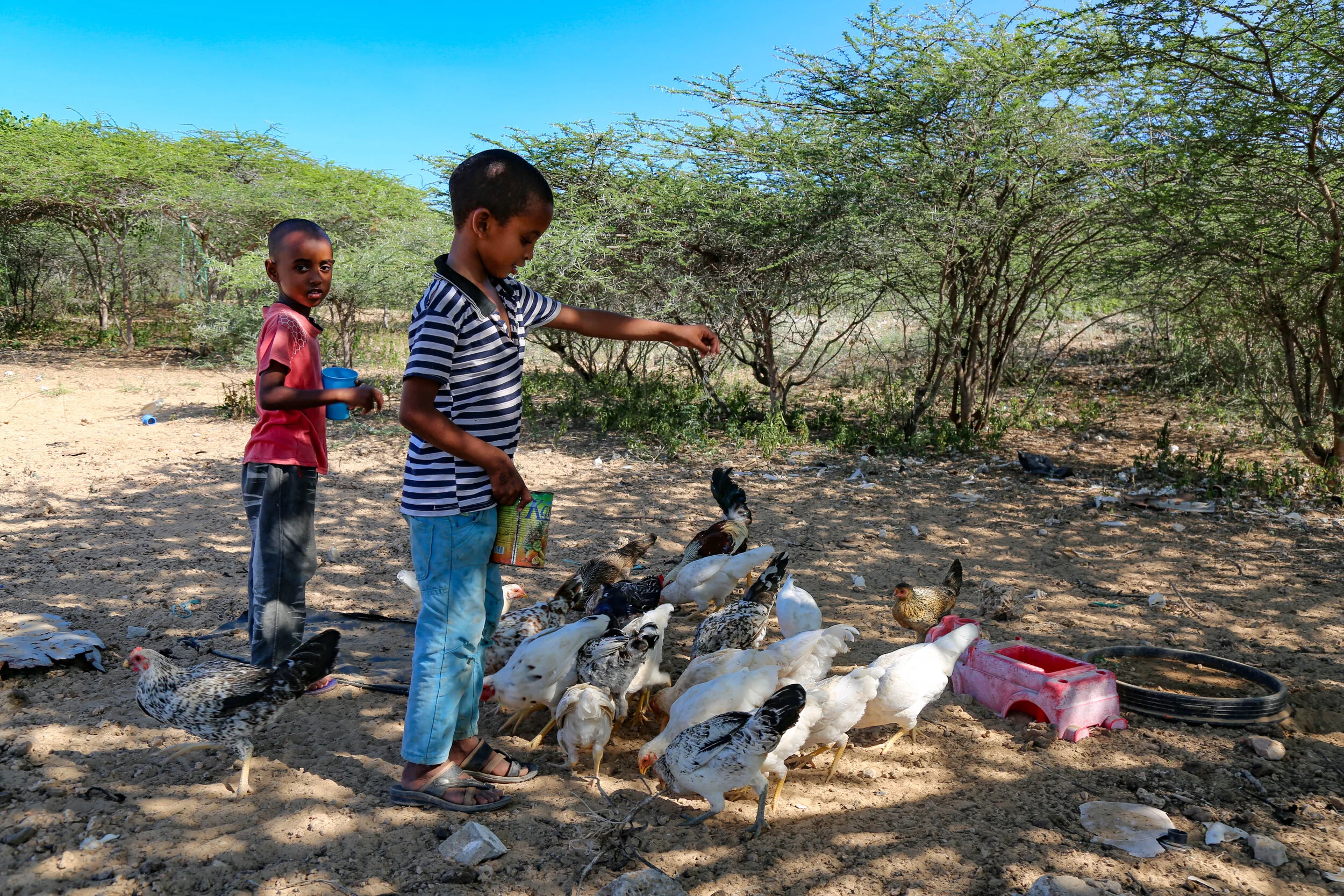
Two young boys in a rural outdoor area with bushes and a dirt ground, feeding and observing a flock of chickens and ducks.