THE NOMADS
My interest in photography began in childhood, growing up in a nomadic family in the rural Ogaden region of Ethiopia’s Somali State.
The first time I encountered a camera was when a foreign journalist came to our village. I was fascinated by the strange apparatus in his hands and by the possibility that it could capture and preserve what I saw around me. That encounter sparked my curiosity and planted the seed of a lifelong love for photography.
A few years later, I had the opportunity to study in a more developed city. There, I immersed myself in the arts, particularly painting. My art teacher recognised my determination to learn and the rapid progress I was making. Some of my paintings were eventually displayed throughout the school. It was during this period that I began to understand the power of visual storytelling and its ability to communicate experiences beyond words.
A decade later, that early fascination with images evolved into my dream of becoming a photojournalist. I wanted to document my world through photography and create a space for the stories of pastoralists and herders people whose lives, knowledge, resilience, and relationship with the land had shaped my own understanding of the world.
The Nomads grew from this desire.
The project explores the everyday lives of rural and pastoral communities across East Africa, focusing on their traditions, knowledge, resilience, and the challenges they face as their ways of life continue to change. Through photography, I seek to move beyond representations of these communities as distant or unfamiliar, instead offering an intimate view of the people, places, and lived experiences that have shaped me.
The Nomads is both a personal journey and an ongoing conversation with a world I know intimately—a way of returning to the people and landscapes that first taught me how to see.
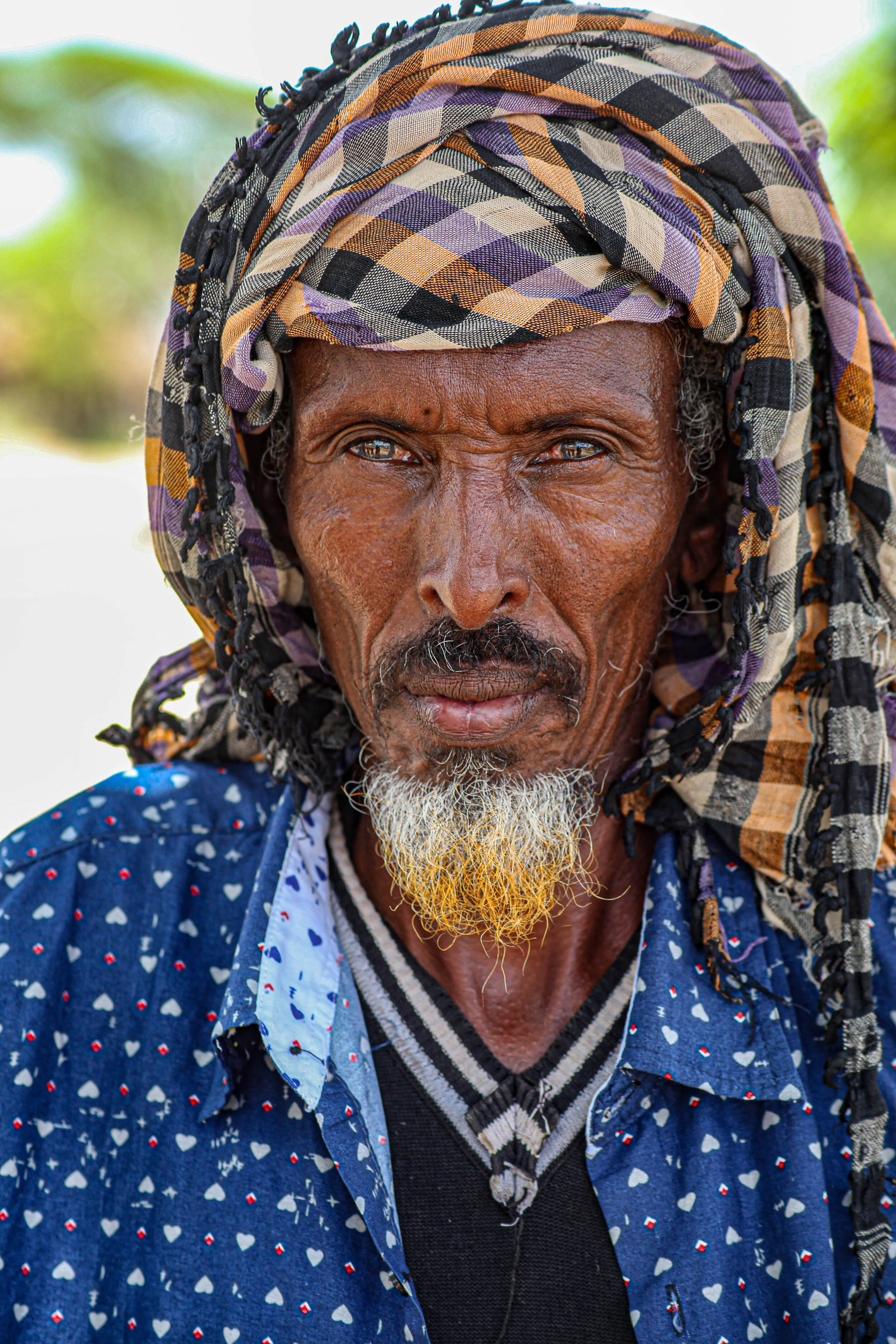
A portrait of a 64 years old named Geele who spent in most of his life herding camels. “ I move with my camel between Kenya, Somalia and Ethiopia in search of water and pasture and i believe pastoralists have no boarder.” Said Geelle.
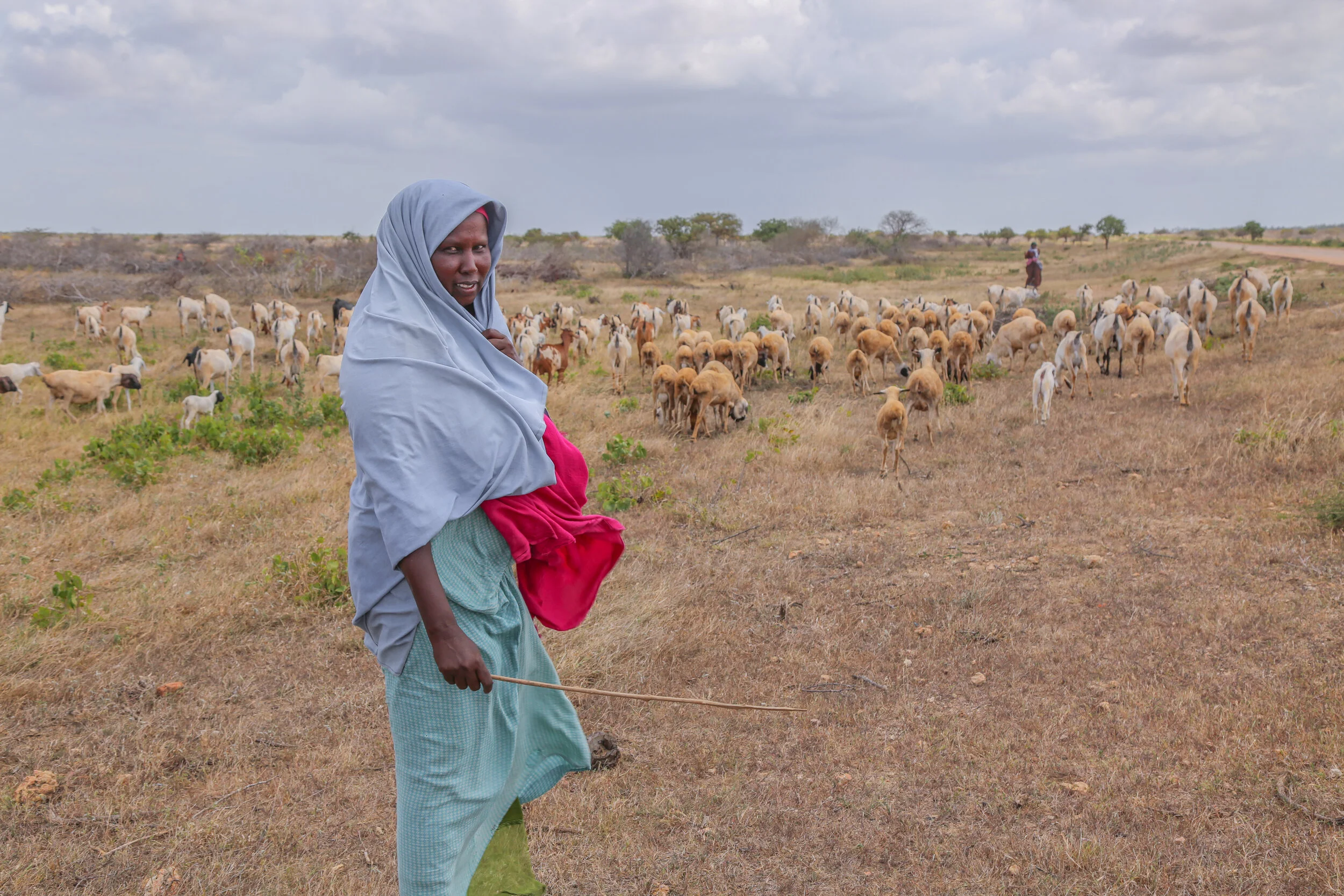
A middle-aged Somali woman looking at her flocks of sheep and goats at the outskirts of Kismayo town. “ In times when the local grass is insufficient, I take the herds further afield to get suitable grazing. Nuurto Hassan 45,
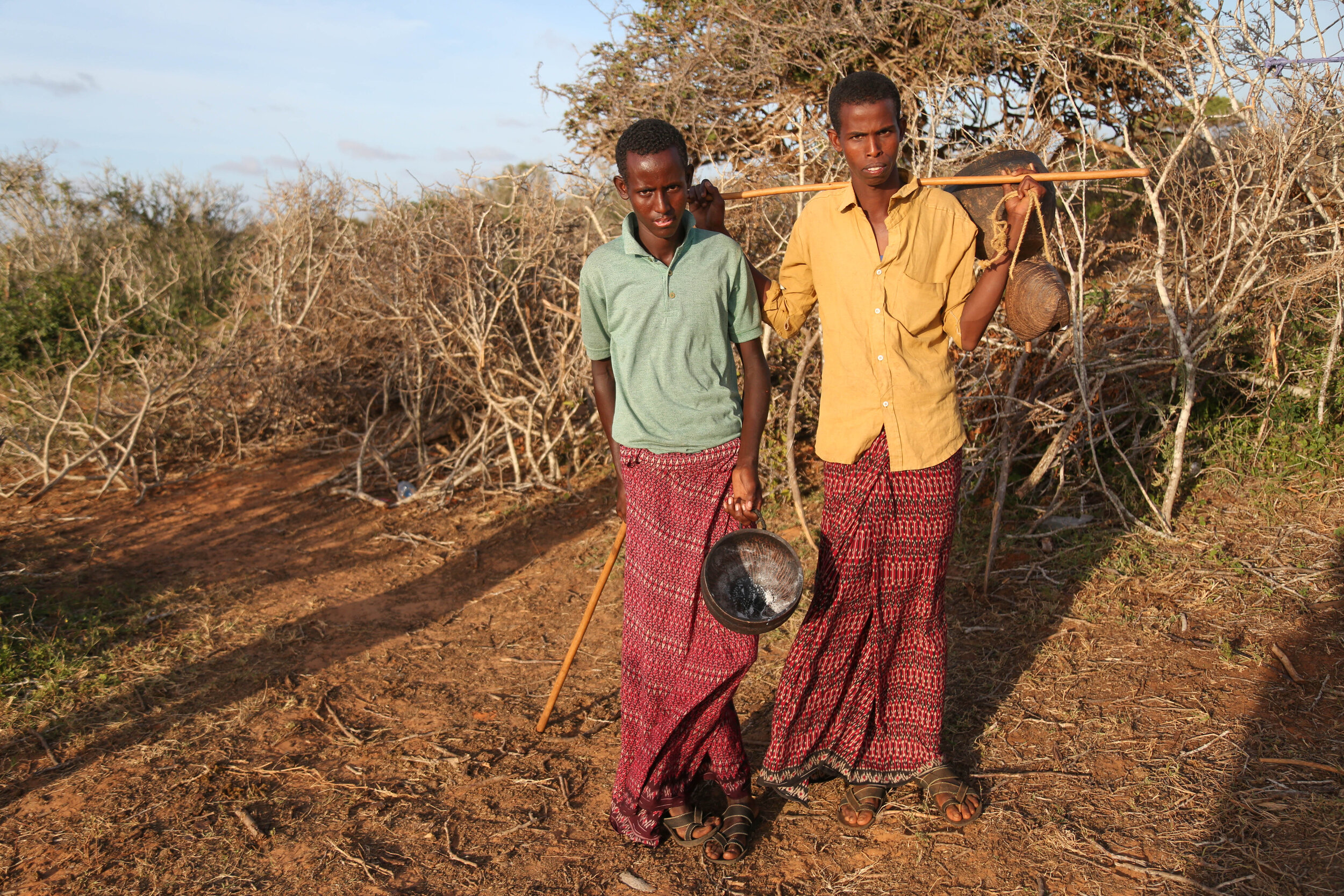
Two young camel herders holding traditional milk container made out of trees.
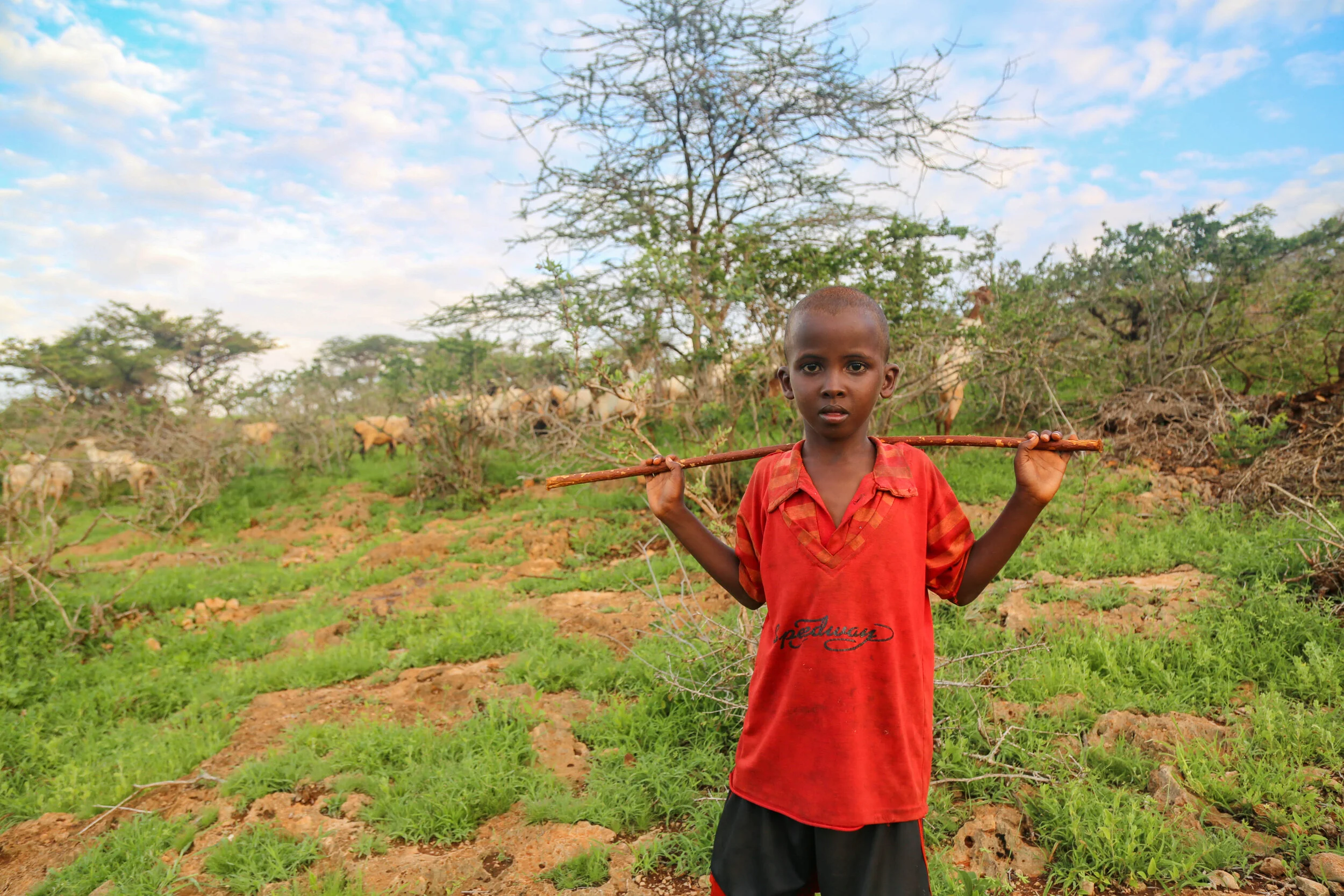
Seven years old Salat looking after his goats and sheep, Somali nomad kids take the responsibility of herding while at the tender age, some believes this is where leadership starts.
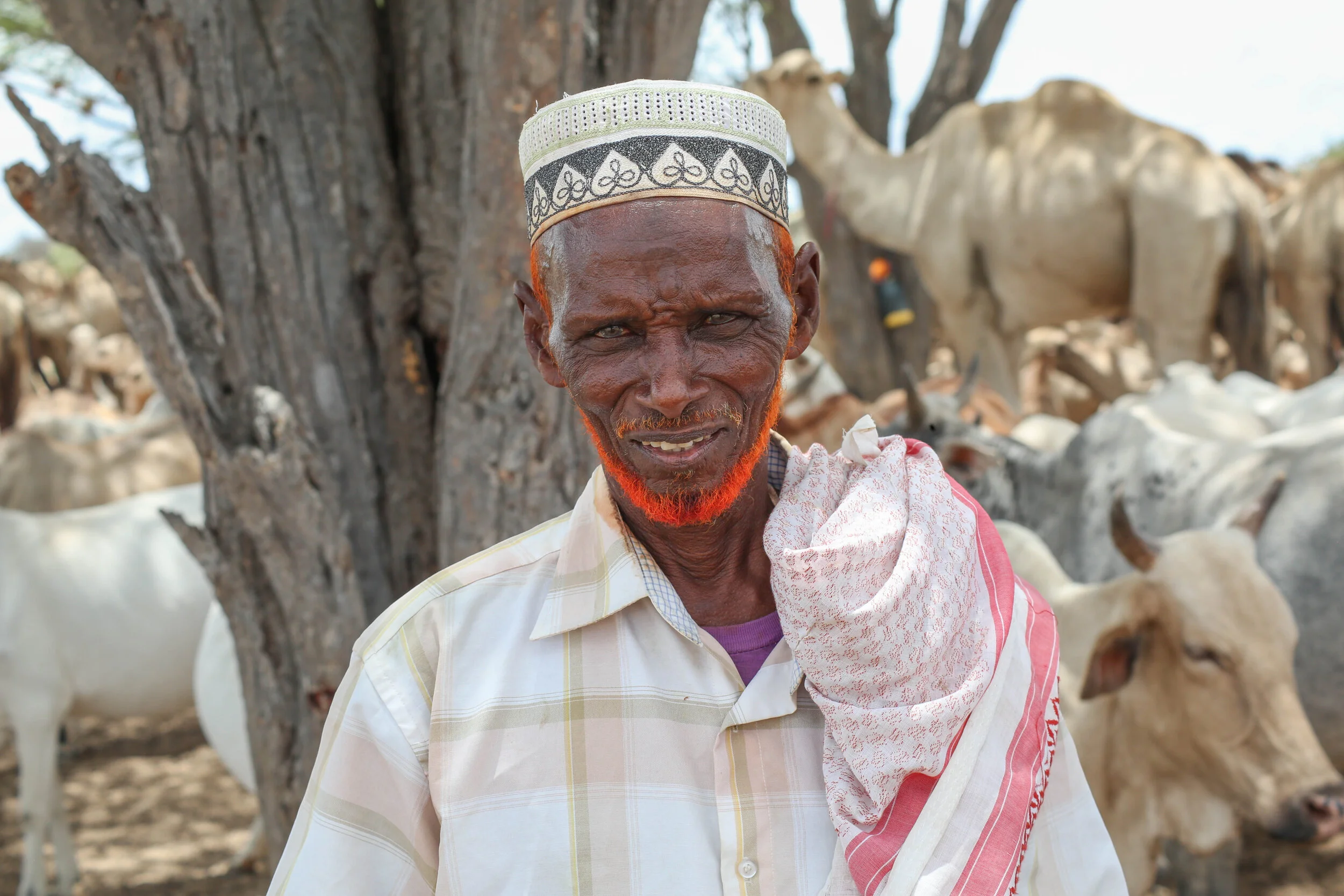
“I was 5-yrs-old when I started herding livestock. I’m 60 now and still living the same lifestyle I believe herding of livestock and living in the bush have prevented me from so many problems happening in this world There is nothing I will exchange for my way of life.”
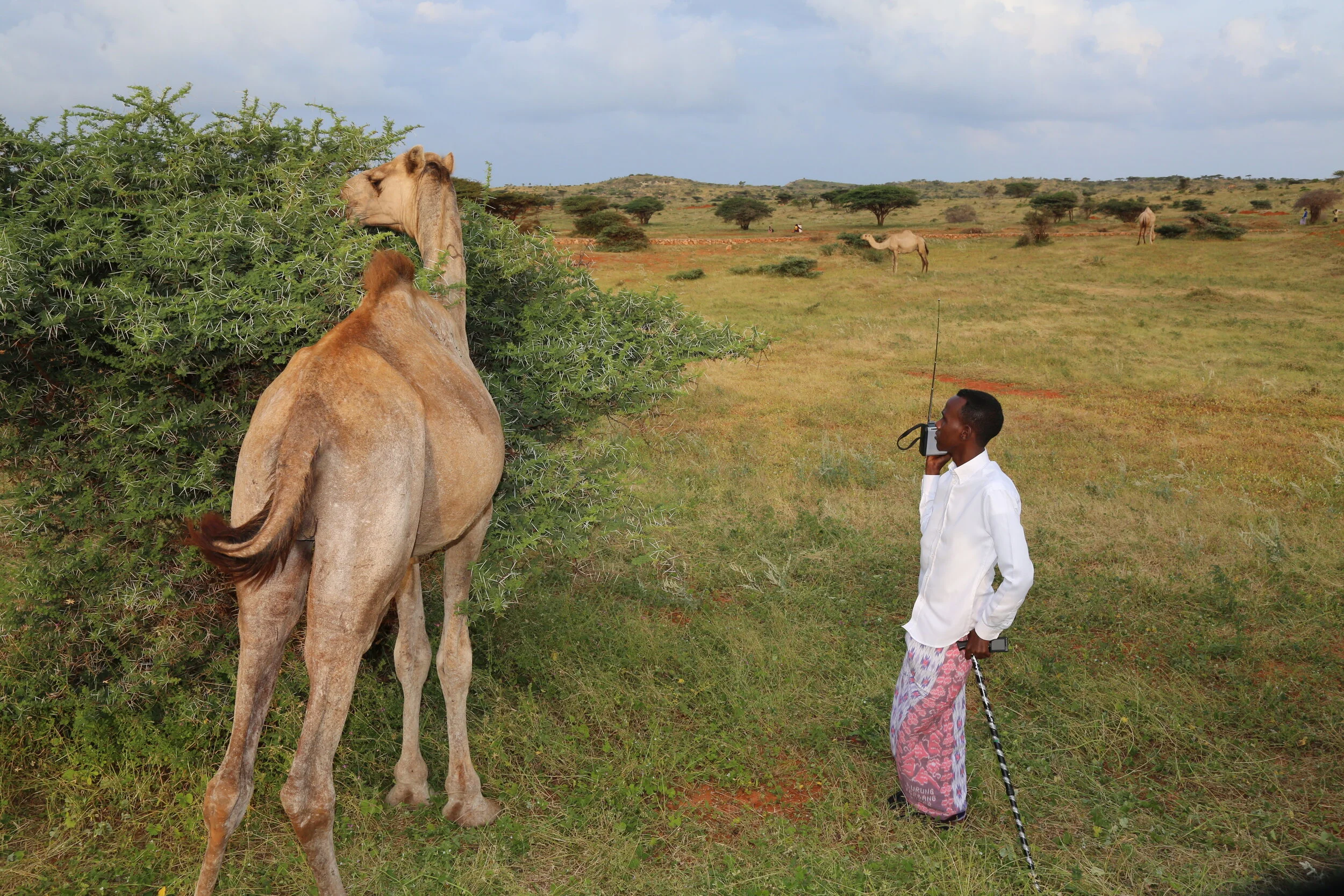
Somali camel herder listening FM Radio while herding his camel. During rainy seasons when the land is green is the time they rejoice
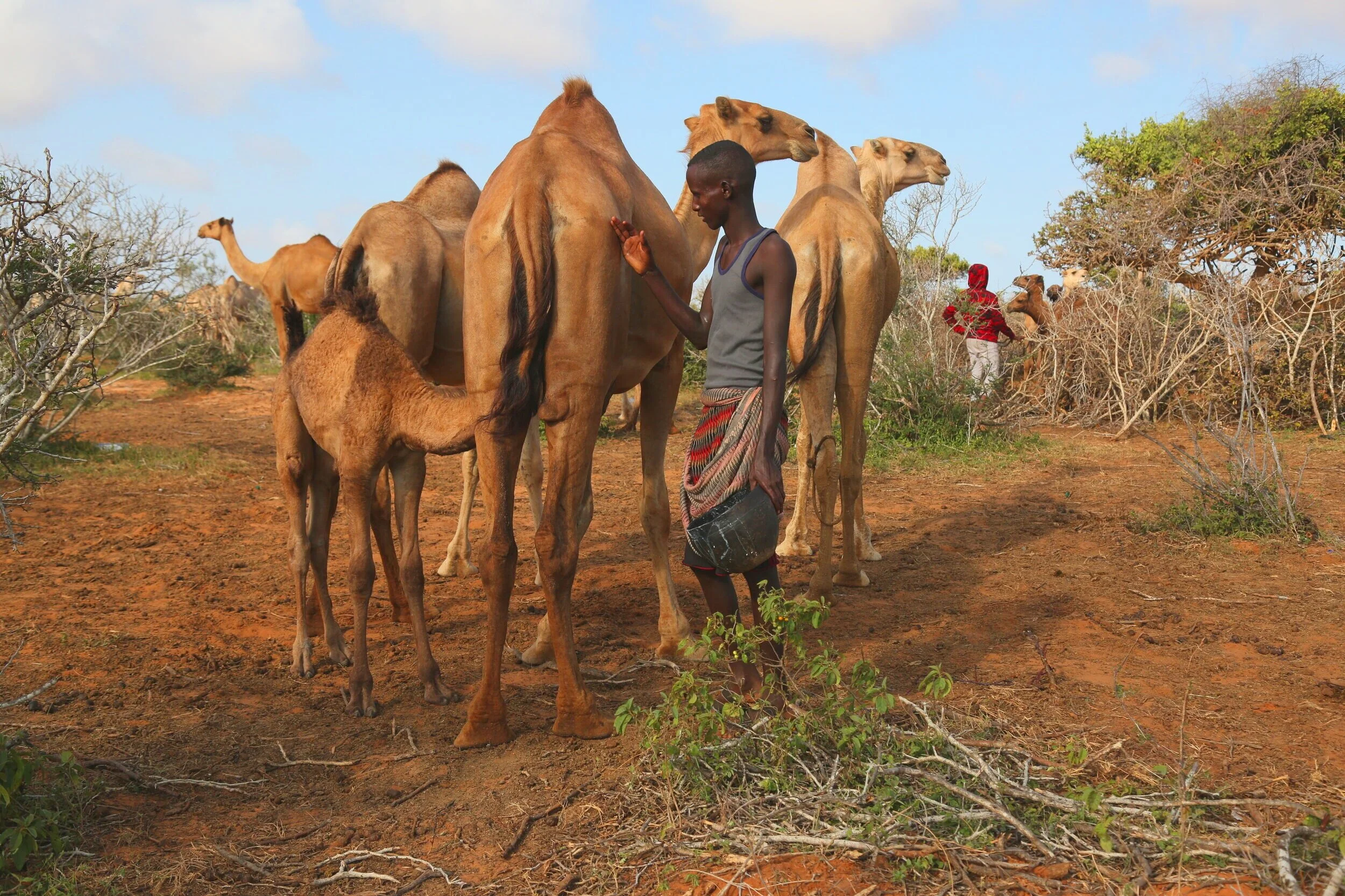
A young camel herder patiently waits, for baby she-camel supping milk from her mother.
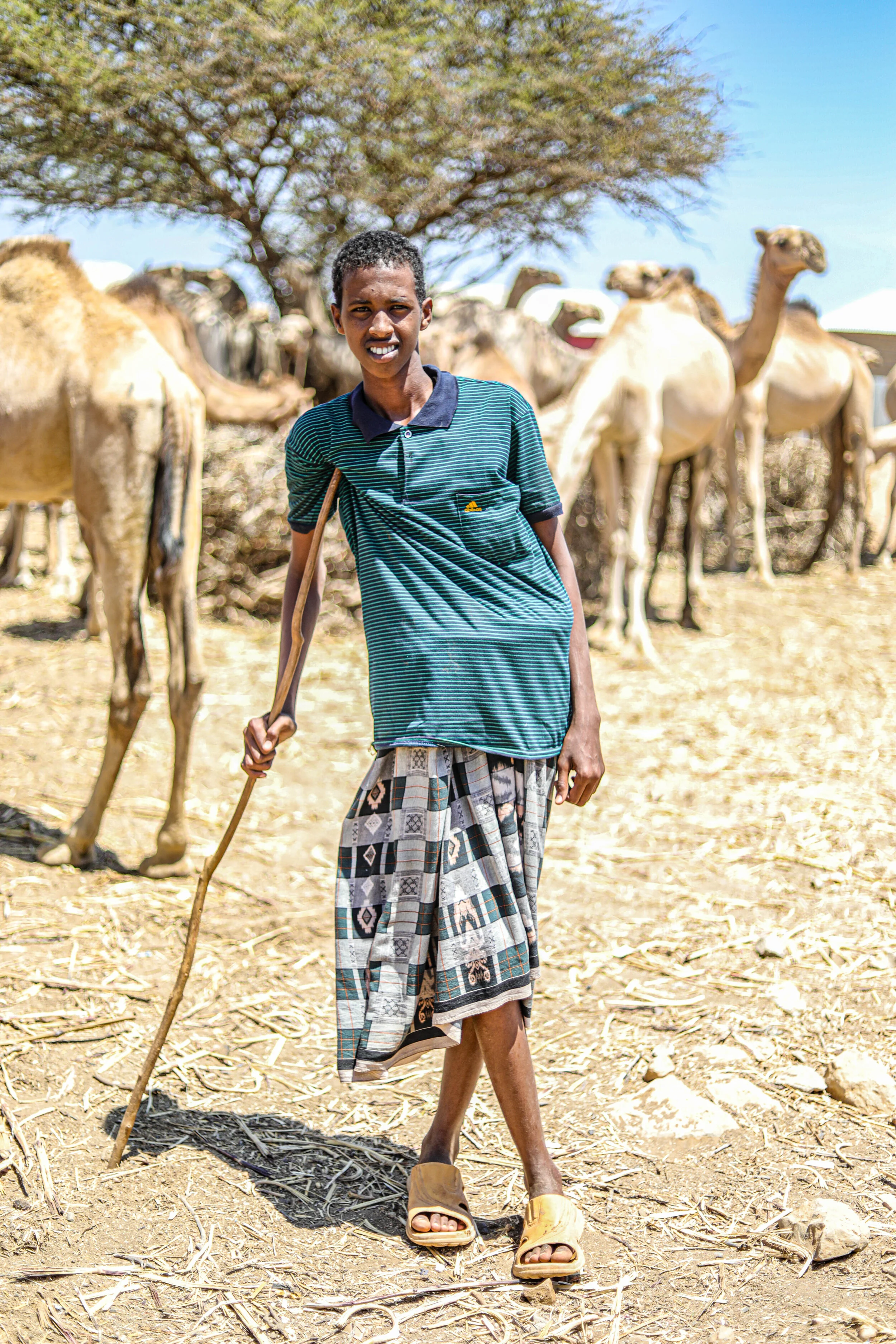
A young Somali nomad stands infront of his camels in Baidoa lifestock market.
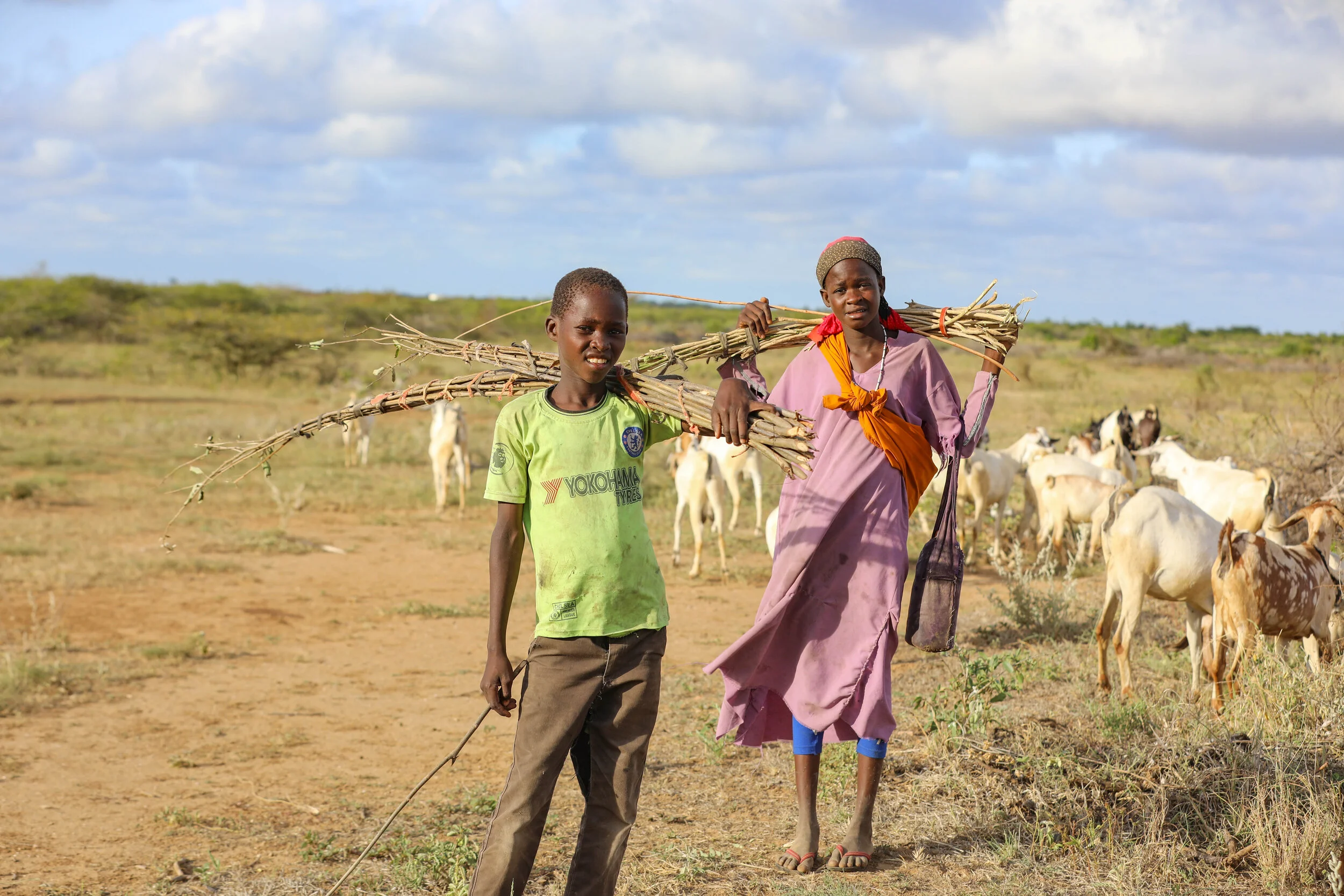
Ibrahim (7) holds on his shoulder sticks of a tree used to discipline Islamic Madrasa learners in his village, while Batulo (Right) carries on her shoulders, a bundle of Salvadora Persica twigs used as a toothbrush commonly refer to in Somali, Cadey.
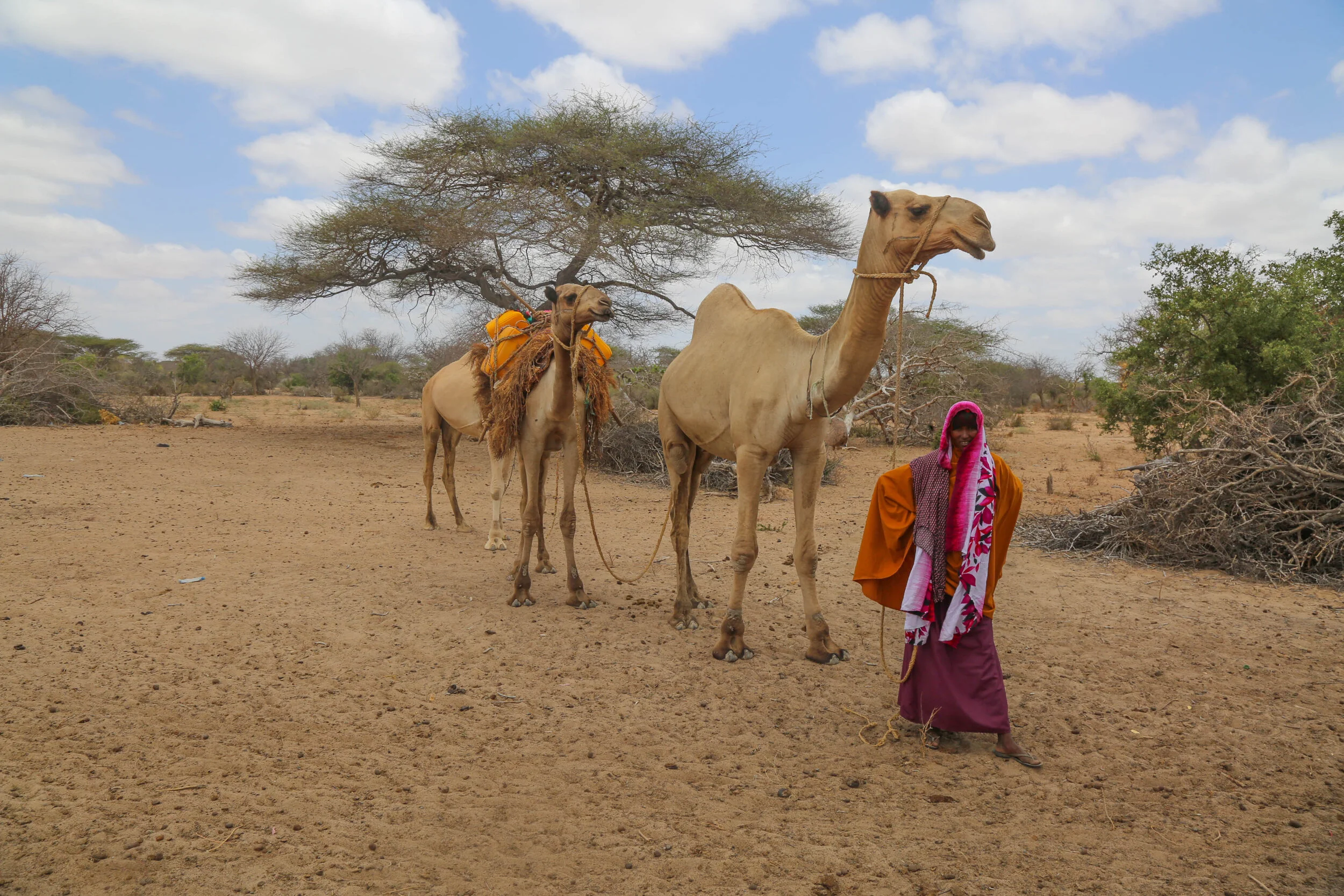
A Somali woman stands in front of her camels in a water-point located outskirt of Dhobley, Somalia.
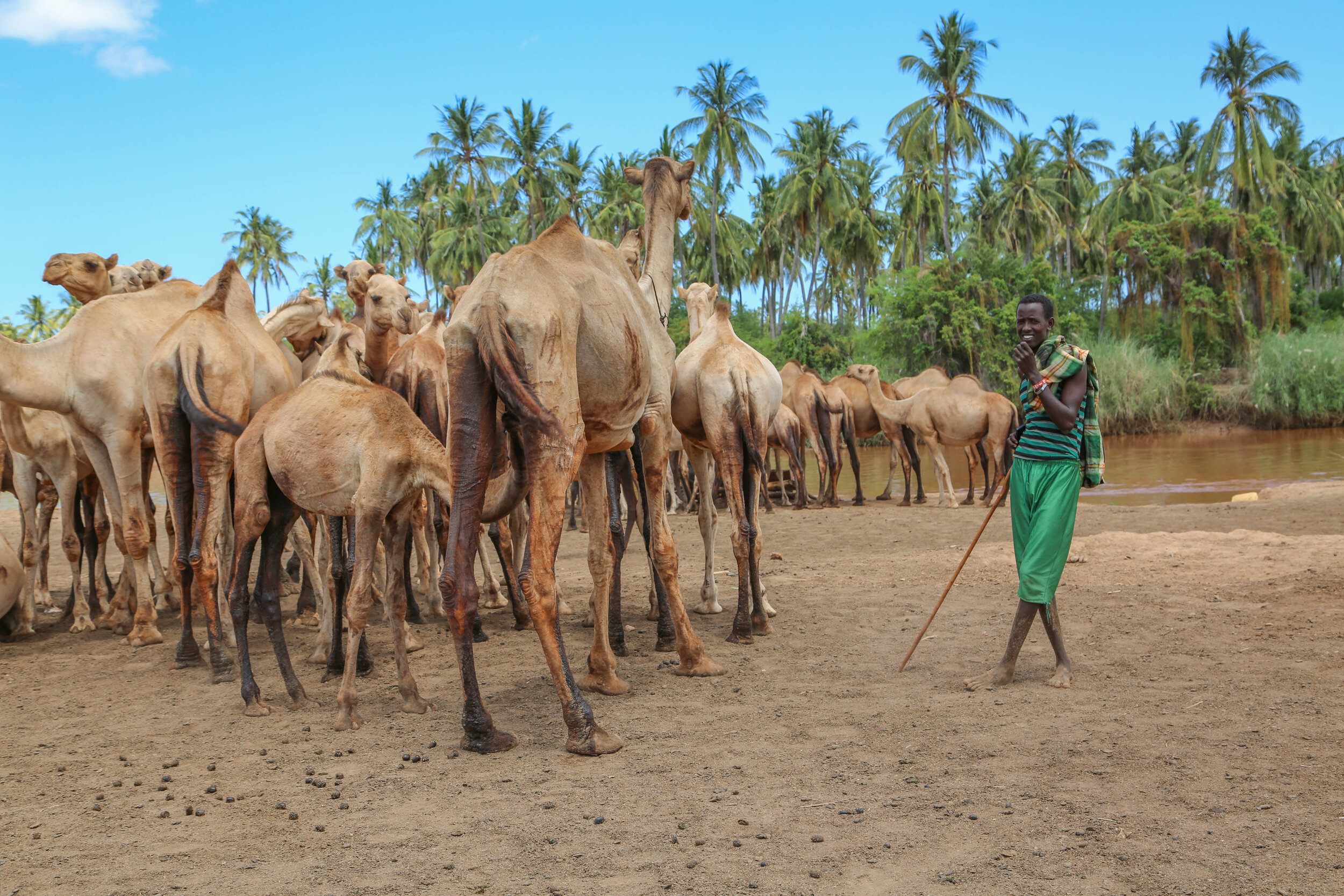
A man standing with a stick among a herd of camels by a water body in a tropical setting with palm trees and blue sky.
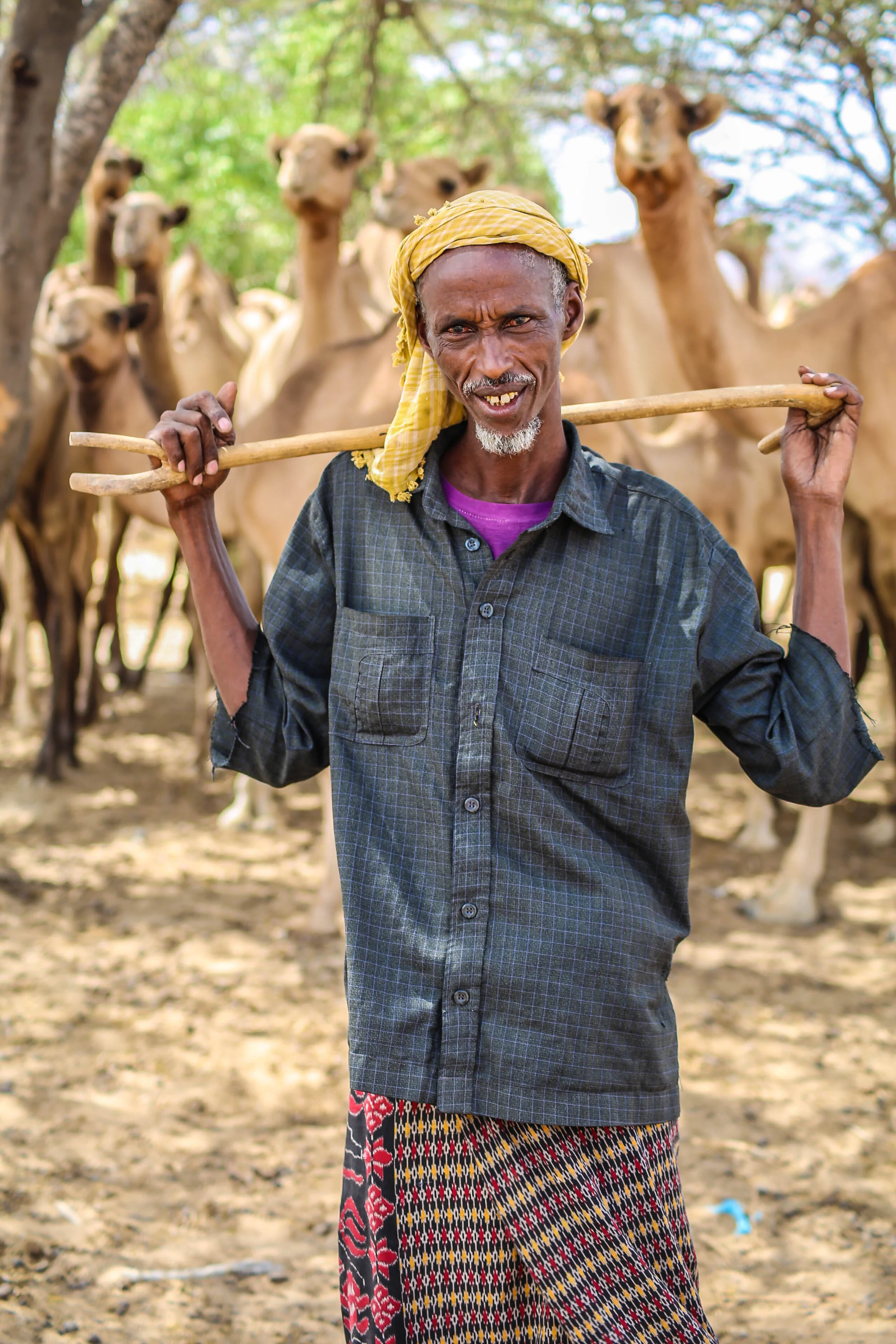
A Somali camel who came to water his camel in a water-point located outskirt of Dhobley Somalia holding on his shoulder Somali pharaonic- scepter standing in front of his camel
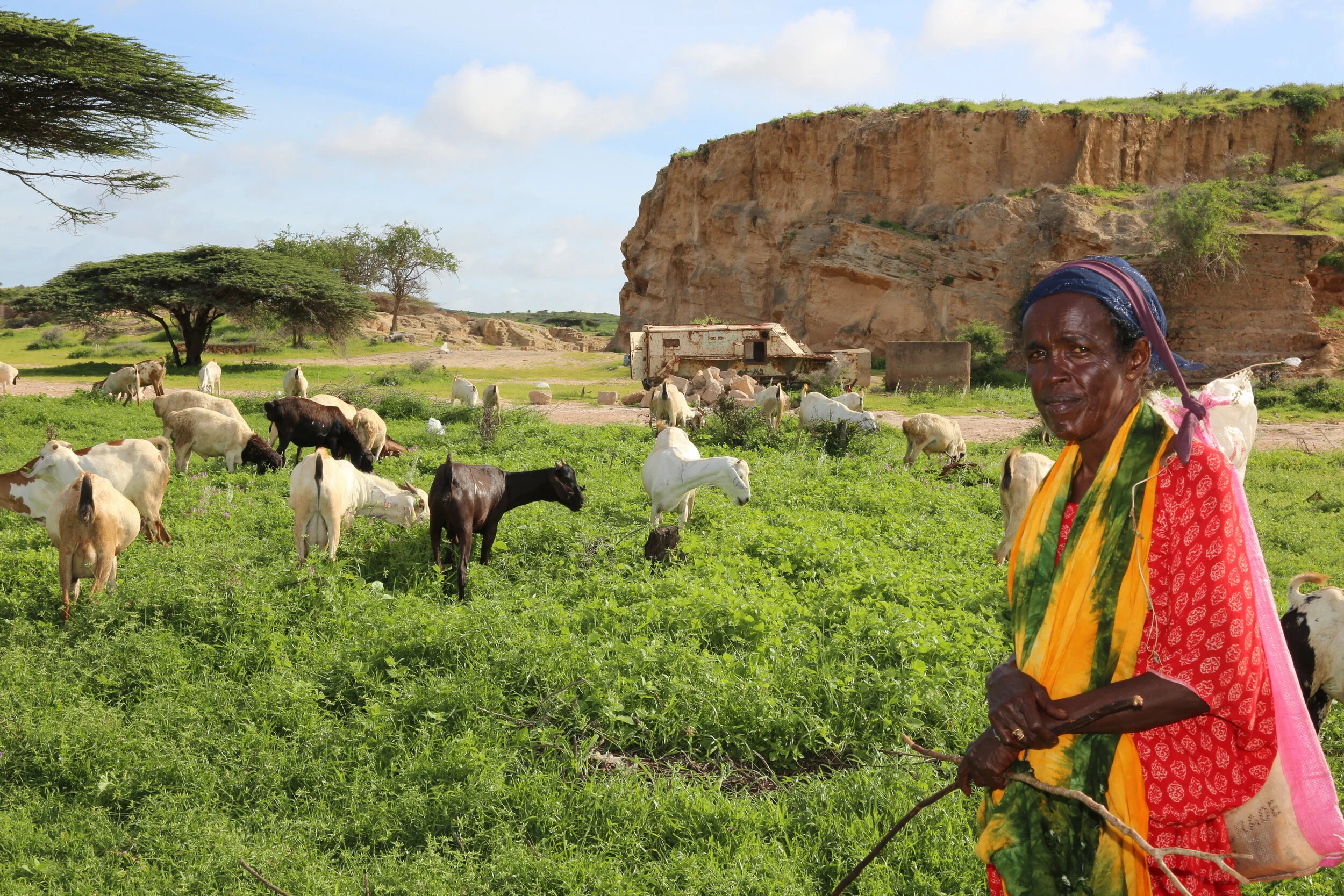
A village elder looks after her flock of sheeps in the grass while a military vehicle passes by.
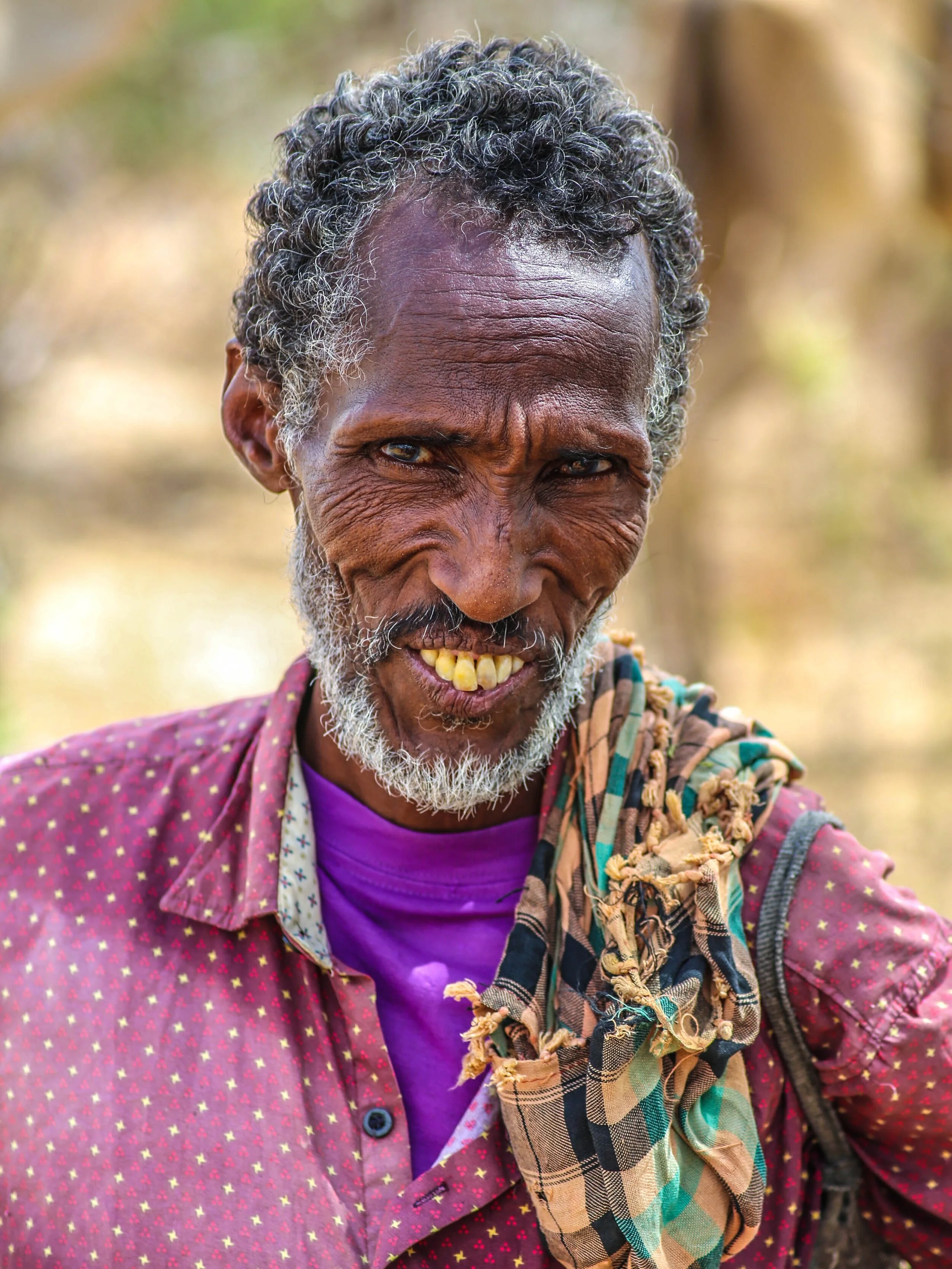
Close-up of an elderly man with gray curly hair, showing a big smile with yellowed teeth, wearing a purple shirt and a red jacket with a star pattern, outdoors with a blurred natural background.
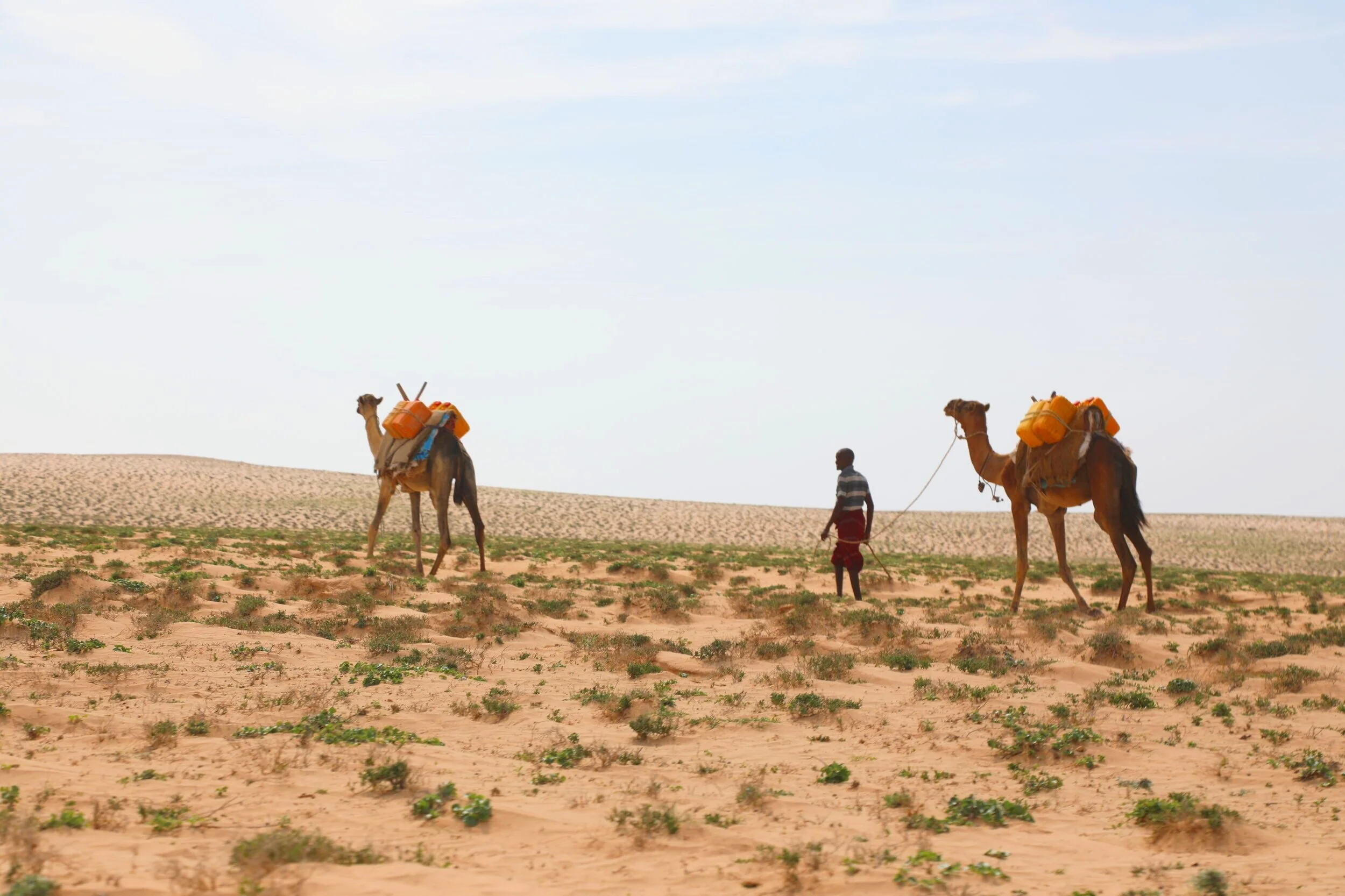
A Somali nomad and his camels traversing in the desert in search of water. Warsheekh, Somalia.
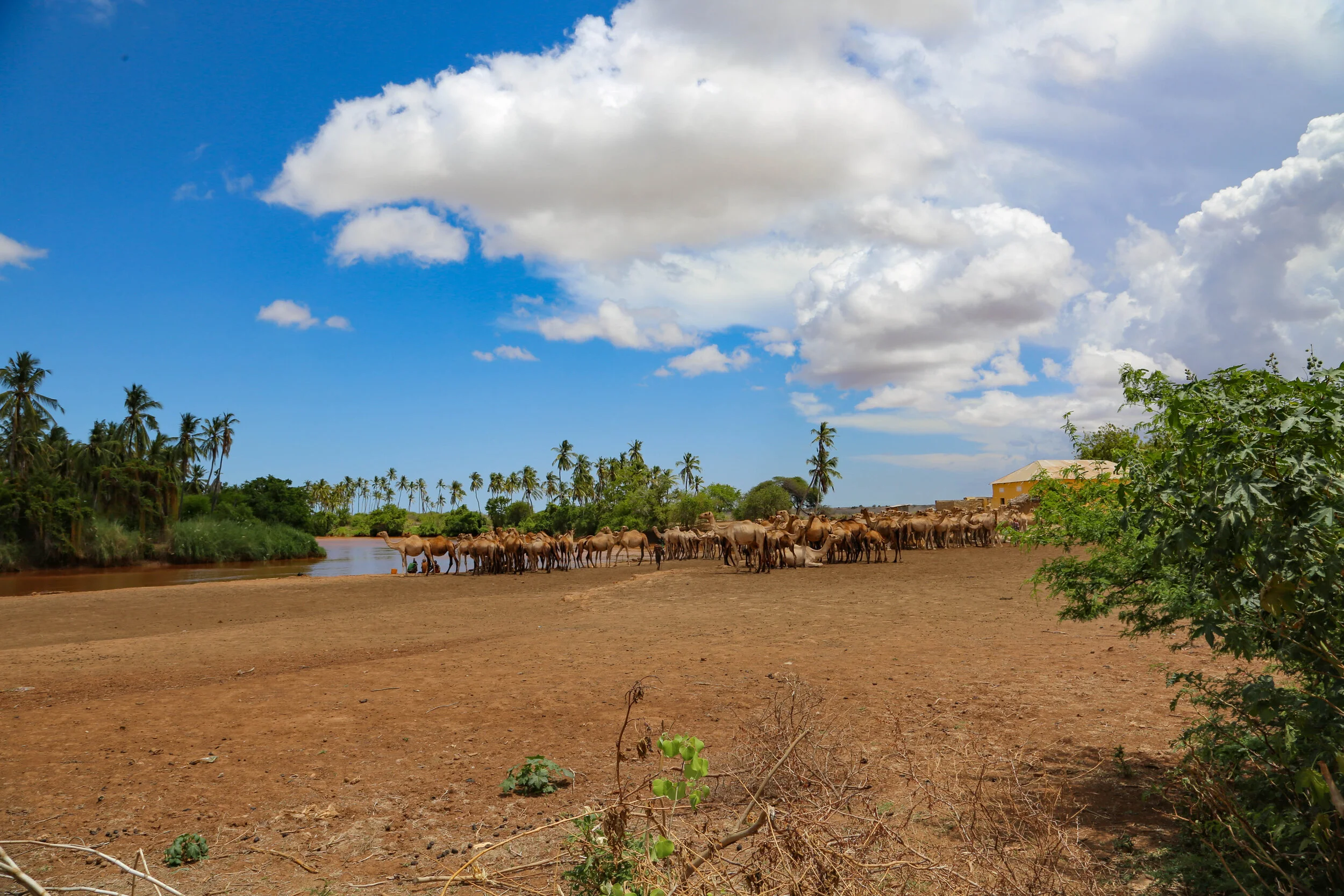
During dry seasons animals come at the water points to get water but for camel it can stay for a month without getting water and it can withstand a harsh climates.
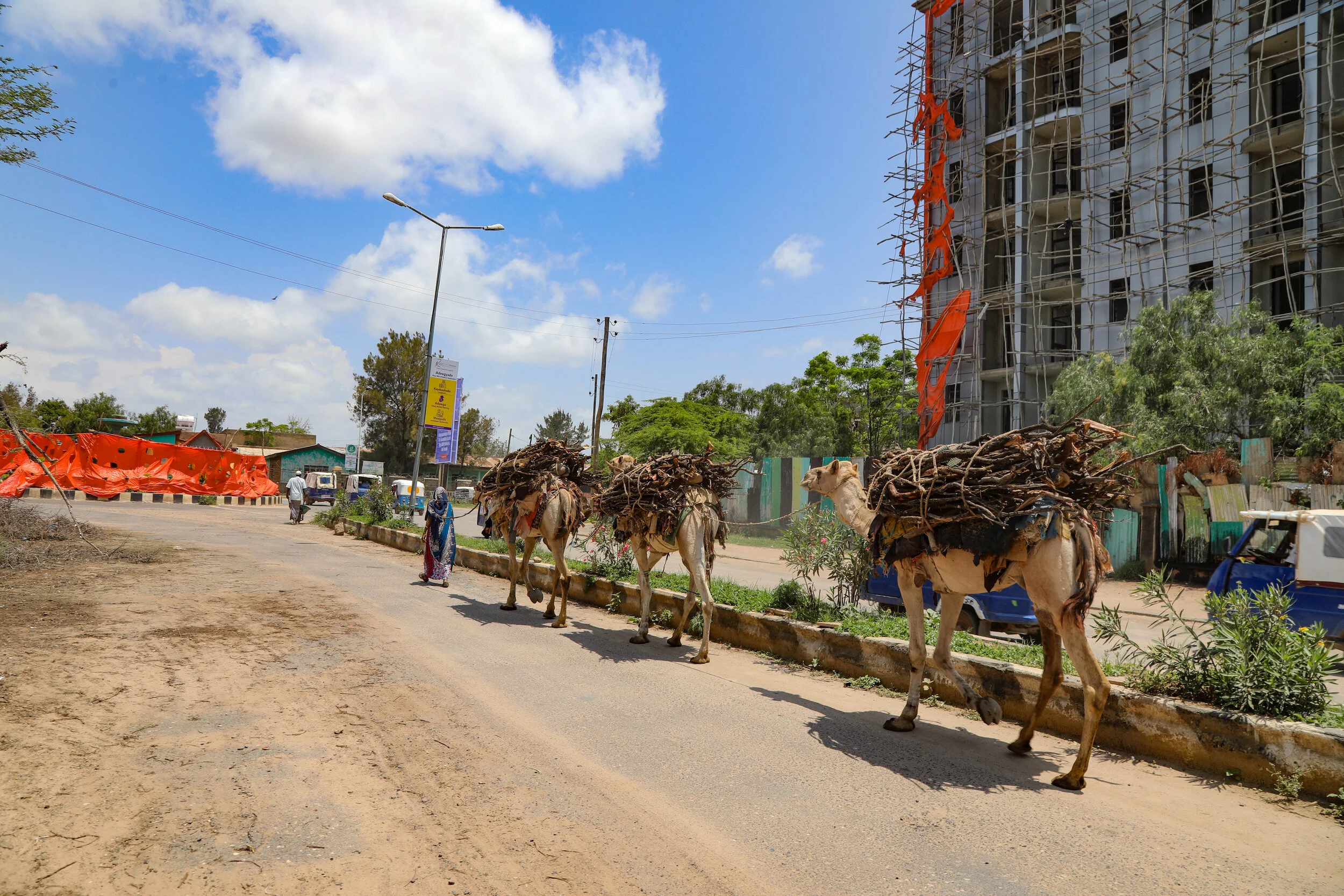
Street scene with construction site, goats carrying load, people walking, trees, and a building under construction with scaffolding.
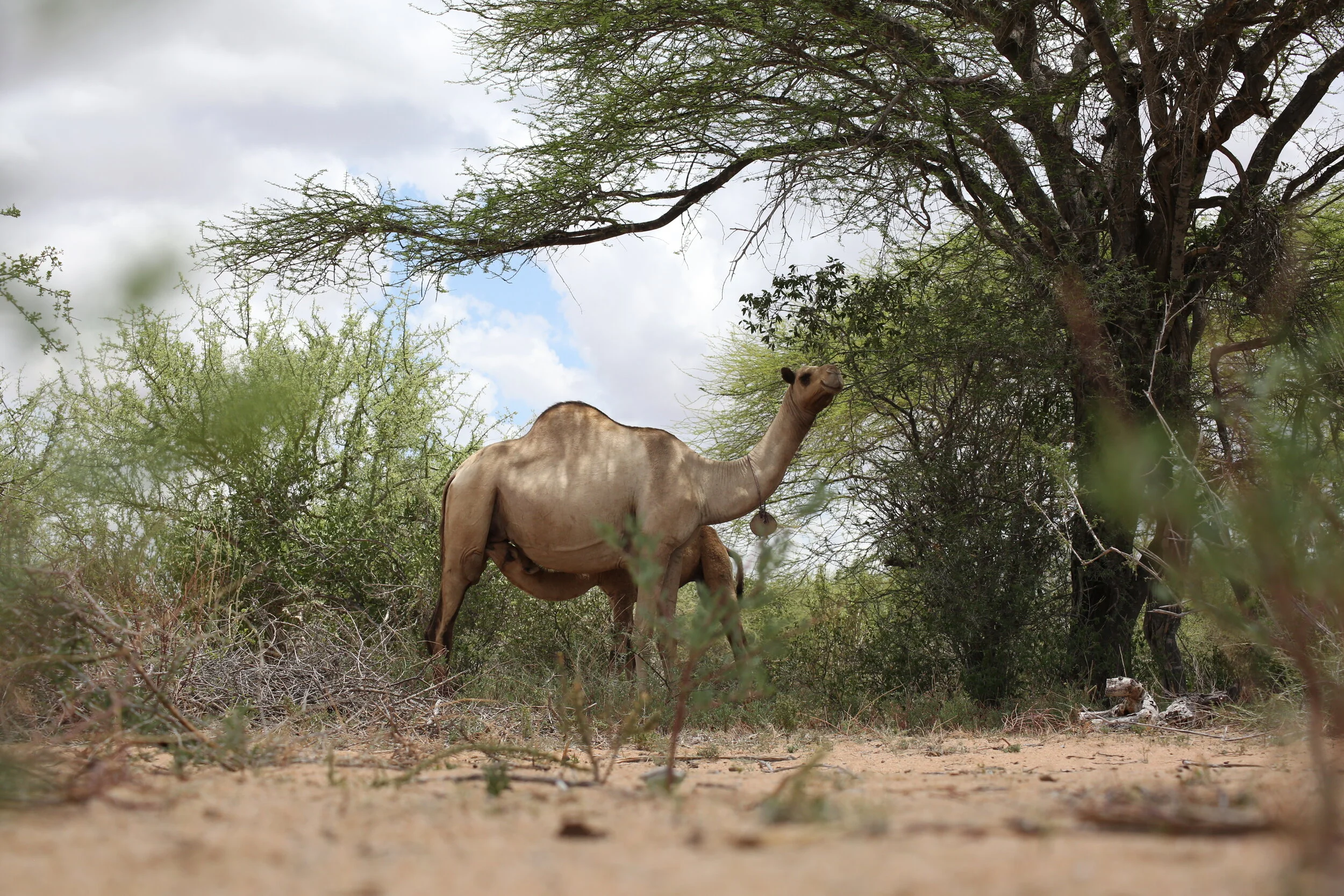
A she camel feeding its young one. Dhobley, Somalia.
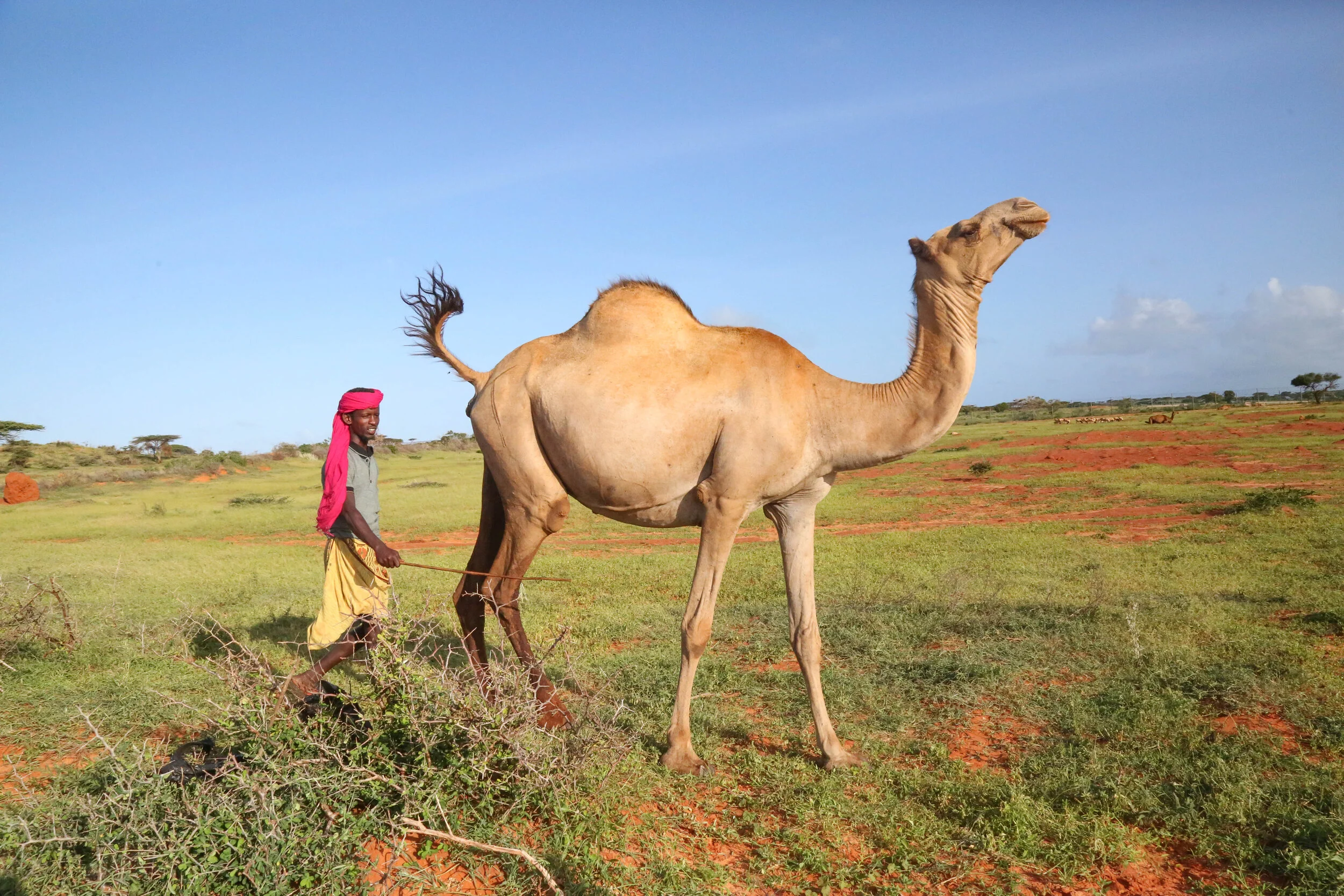
A heavy she-camel moves her tail up after the camel herder comes close to her, as a defense mechanism.
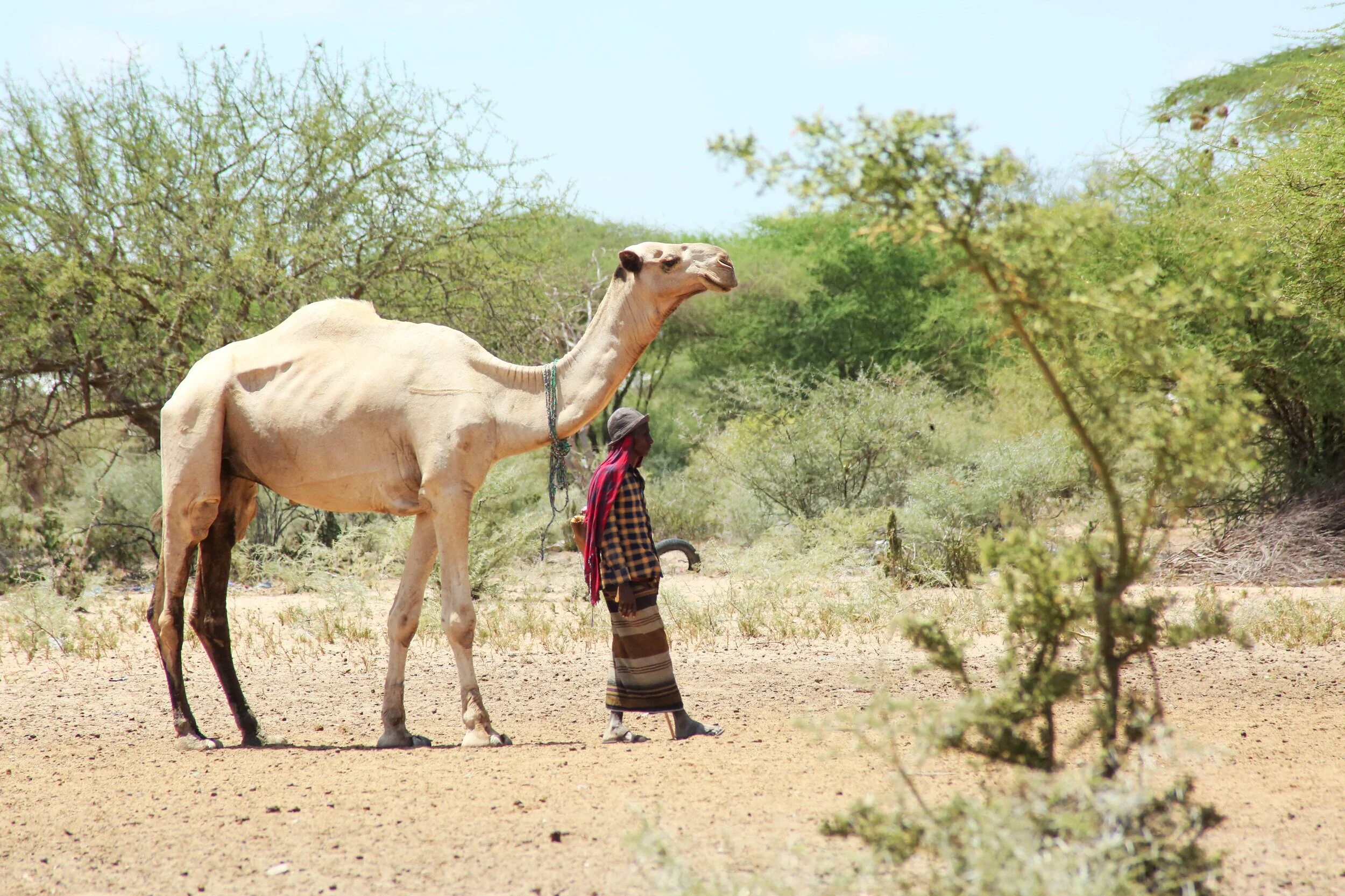
Man walking with a camel in a savanna landscape with trees and shrubs.
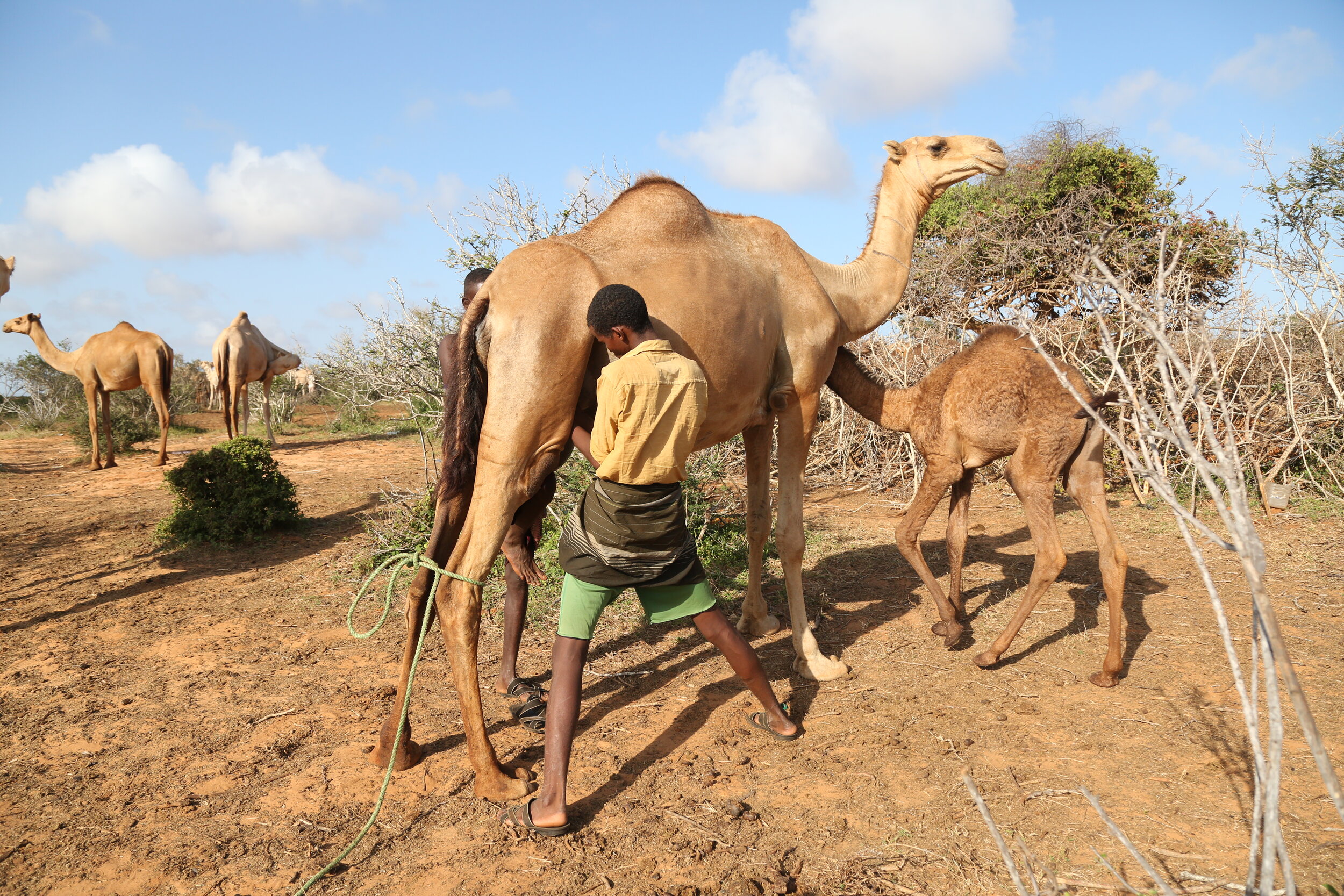
A person herding camels in an arid landscape with sparse vegetation under a blue sky with clouds.
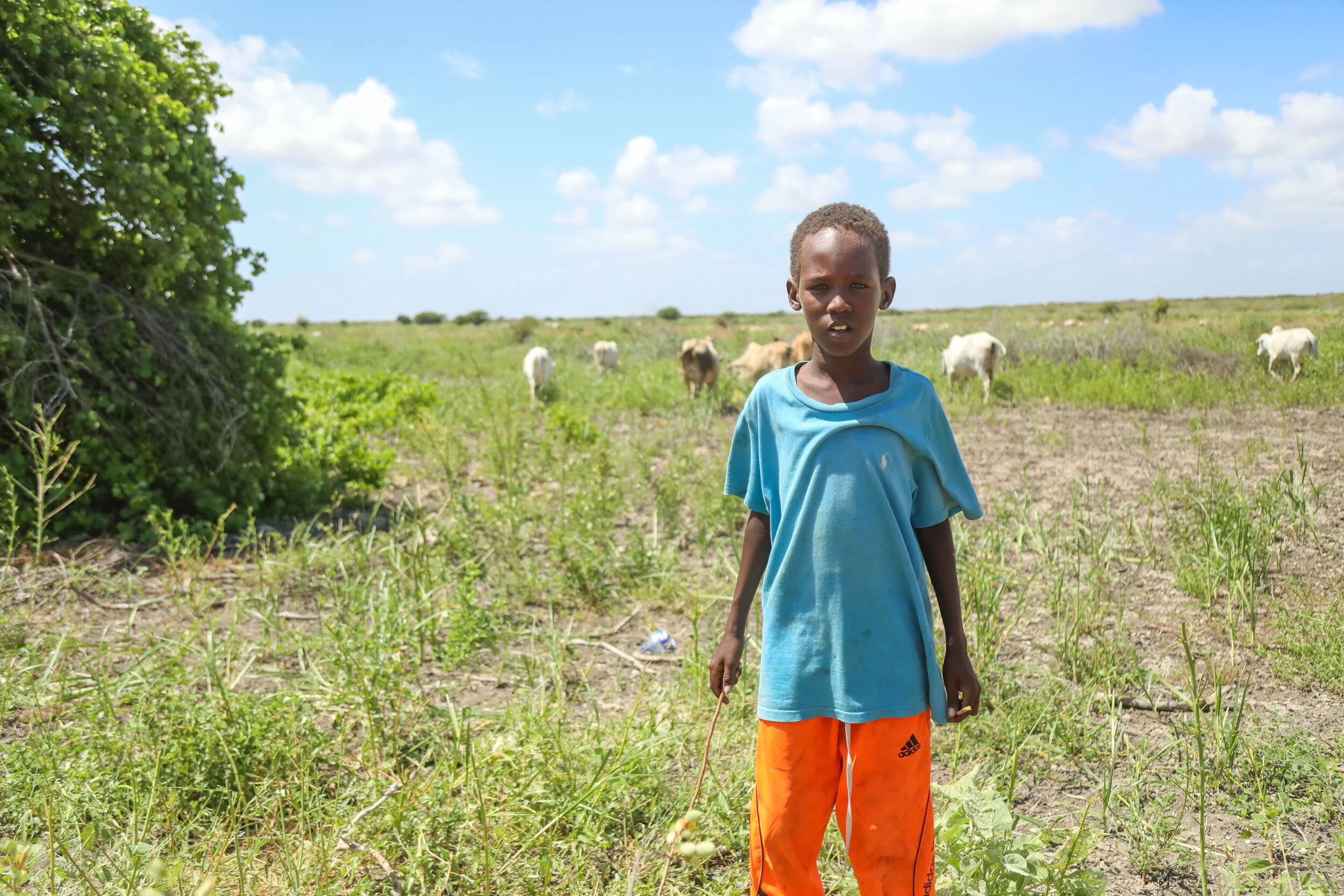
A young cattle herder looks after his cows at the vicinity Yontoy village at the outskirt of Kismayo Somalia.
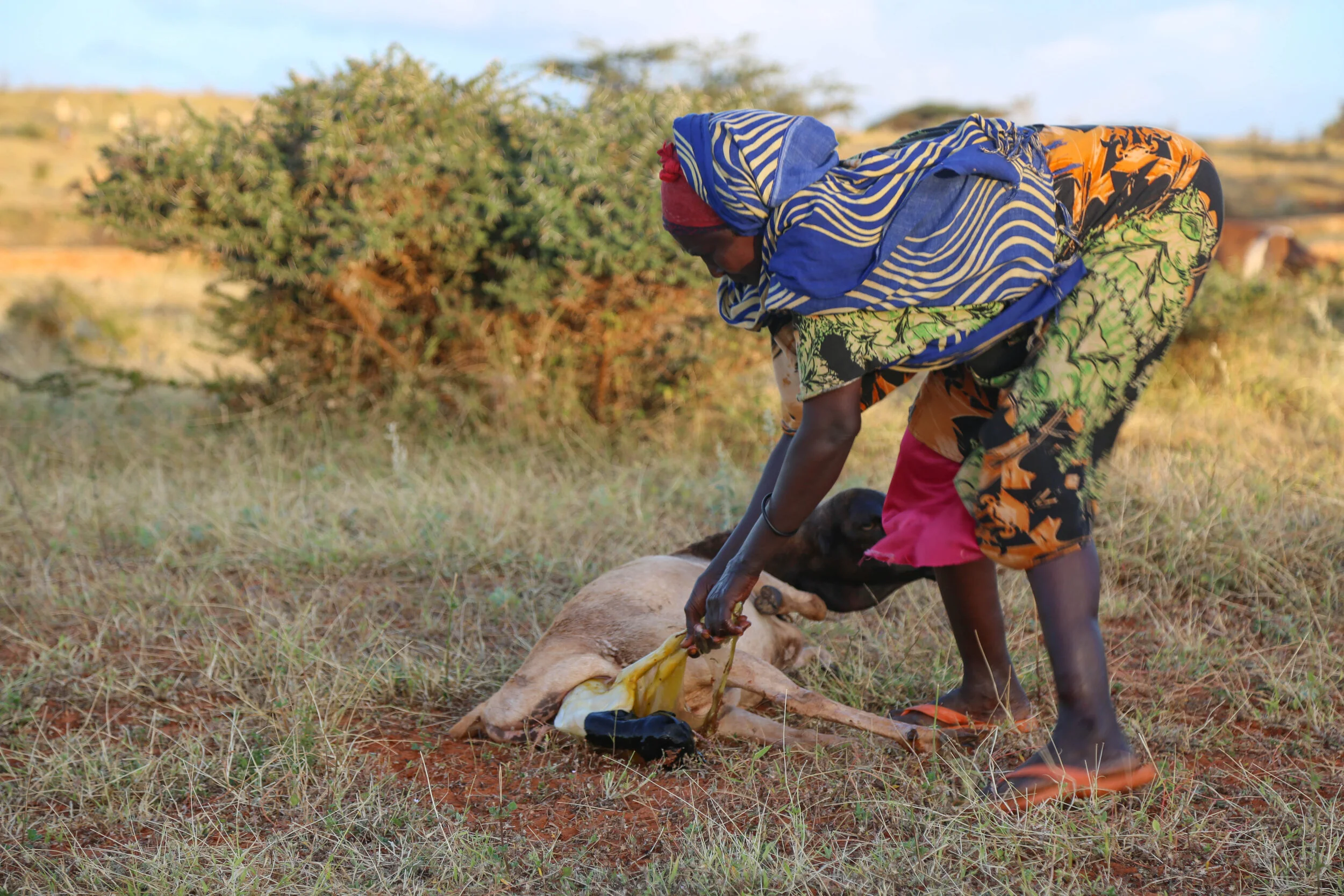
A person in colorful clothing is tending to a dog lying on the ground outdoors in a natural setting with bushes and open sky.
A lady leads a caravan of camels carrying firewoods in Jigjiga.
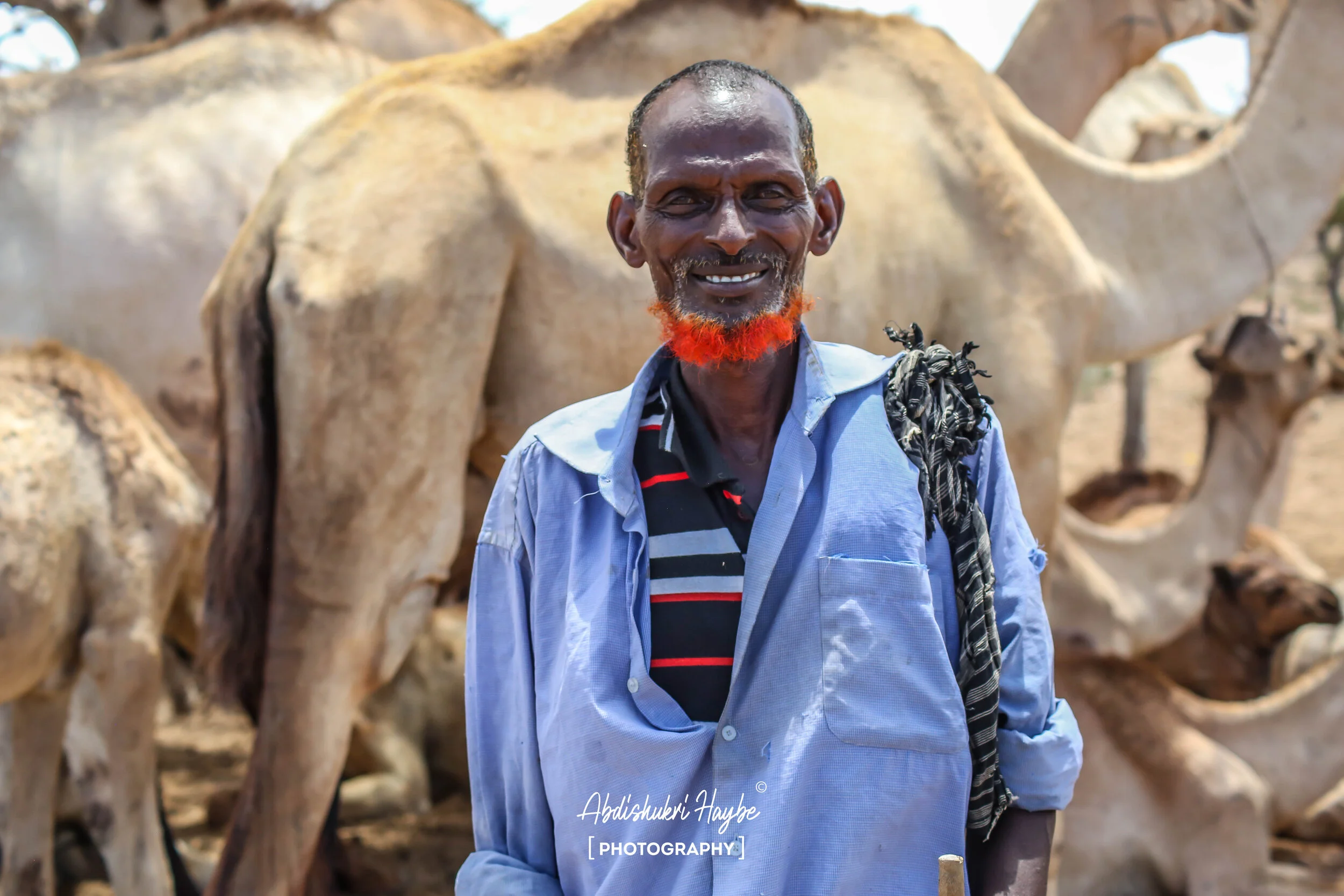
" I look after my camels in the land between Dawa Somalia Region of Ethiopia and Wajir of Kenya to the vicinity of Kismayo Somalia and up to Elbarde of Bakool Region. No one asks me for ID/Passport and I'm citizen of any land where my camel can get water and pasture" Mohamud, 70.